Occupancy vs. Margins

Flat occupancy growth in 2026 is increasing the pressure on hotel margins, making strategic pricing and cost management more critical than ever. Operators must move beyond volume-based strategies to focus on the profitability of every guest stay.
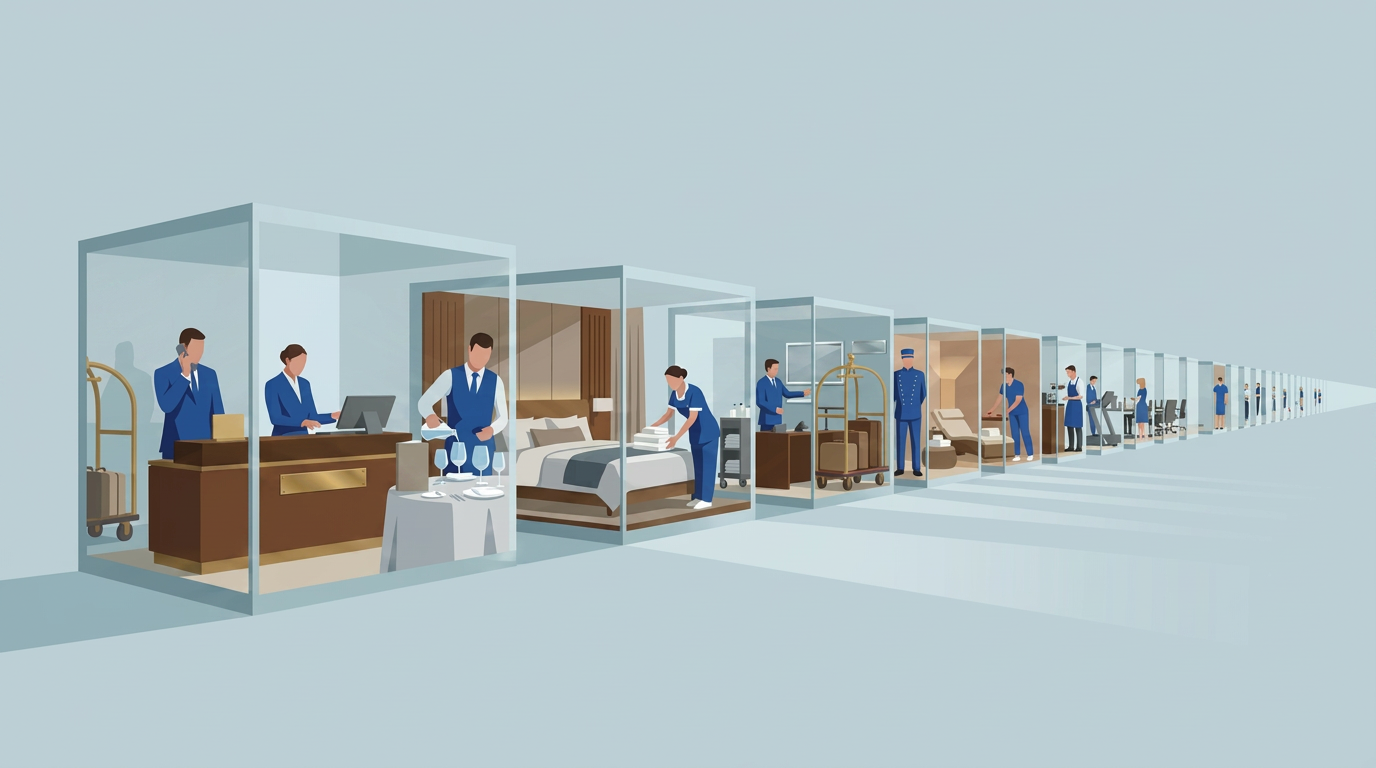
Hotel operations and staffing structures illustrating how rising labor costs are reshaping hotel profitability and operating performance in 2026
In the 2026 hospitality market, the era of relying on occupancy growth to drive profitability has largely ended. With occupancy rates remaining relatively flat across many segments, the focus has shifted toward maximizing the margin on every room sold. This transition from a volume-based to a value-based strategy is essential for navigating an environment where hotel margins are shrinking.

According to City Shift Finance, while occupancy levels have stabilized at approximately 65%, the cost of servicing those guests has increased by roughly 4% over the past year. This means that even if a hotel is full, it may not be as profitable as it was in previous years. For finance professionals, the challenge is to maintain healthy margins in a market where top-line growth is limited. This requires a more sophisticated approach to hotel operational cost control and strategic pricing.

The Volume vs. Value Dilemma

The primary dilemma for many operators is how to balance the need for occupancy with the requirement for profitability. In a competitive market, it can be tempting to lower rates to drive volume, but this often leads to a further erosion of margins. This is particularly true in the luxury segment, where high luxury hotel guest expectations make it difficult to reduce service levels to compensate for lower rates.
abstract blue background with subtle flowing forms representing hotel labor cost pressure, workforce misalignment and operational inefficiency across hospitality operations
Practice

Learn more

Instead, hotels must focus on attracting the right guests at the right price. This involves a more granular understanding of market segmentation and a willingness to walk away from low-margin business. By prioritizing high-value guests and optimizing the revenue-to-profit pipeline, hotels can maintain their financial health even in a flat-occupancy environment. This strategic shift is a key component of addressing the hotel labor productivity gap.

Strategies for Margin Preservation

Preserving margins in a flat-occupancy market requires a combination of disciplined management and strategic innovation.
  • Dynamic Pricing: Implement more sophisticated pricing models that reflect both market demand and the true cost of service delivery.
  • High-Value Segmentation: Focus marketing and sales efforts on attracting guest segments that offer the highest potential for margin expansion.
  • Ancillary Revenue: Develop new sources of non-room revenue to diversify income and reduce reliance on occupancy-driven profit.
  • Cost-Efficiency: Continuously review and optimize operational processes to reduce waste and improve the overall flow-through of revenue.
  • Strategic Investment: Focus capital expenditure on areas that directly enhance the guest experience and drive higher rates.

Enhancing Financial Sustainability

By moving beyond a focus on occupancy, hotels can build a more sustainable and resilient financial model. This requires a relentless focus on margin performance and a willingness to adapt to the changing realities of the 2026 market. Properties that successfully make this transition will be better positioned to navigate the ongoing financial pressures of the industry.

The Path Forward

The pressure on margins in a flat-occupancy environment is a significant challenge, but it also presents an opportunity for strategic renewal. By focusing on value over volume and maintaining rigorous operational discipline, hotels can ensure their long-term success. For a comprehensive look at the financial pressures facing the industry, see our 2026 hospitality financial outlook.
Hotel Labor Costs: Reshaping 2026 Profitability ➜ Why Hotel Profit Margins Are Shrinking ➜ The Hotel Labor Productivity Gap ➜ Luxury Hotel Guest Expectations ➜ Effective Hotel Cost Control ➜ The Growing Hotel Performance Divide ➜ Optimizing Hotel Workforce Structure ➜ Hotel Operational Discipline ➜ Occupancy vs. Margins ➜ 2026 Hospitality Financial Outlook ➜
Featured Podcasts
Hotel Workforce Optimization Insights illustration showing spheres moving unevenly along a slope, representing misaligned labor deployment

Hotel workforce optimization produces margin and service gains when labor is deployed against actual guest demand rather than historical scheduling assumptions.

FP&A consulting for hospitality concept showing hotel front desk with one active staff member and one idle employee as a guest waits with luggage

Hospitality financial planning misses persist even as targets are revised, because the issue is often the assumptions, not execution.

blue arrows rising upward representing increasing hotel F&B labor costs

F&B labour cost keeps rising because the ratio is addressed as a cost problem when it is often driven by revenue limits.

Connect with our team

Contact us

Contact us

Contact

Sign up to download

Topics of Interest: