Hotel Labor Costs: Reshaping 2026 Profitability

Rising hotel labor costs are fundamentally restructuring profit and loss statements in 2026. Strategic workforce planning and operational discipline can help ensure that hospitality businesses maintain their financial resilience.
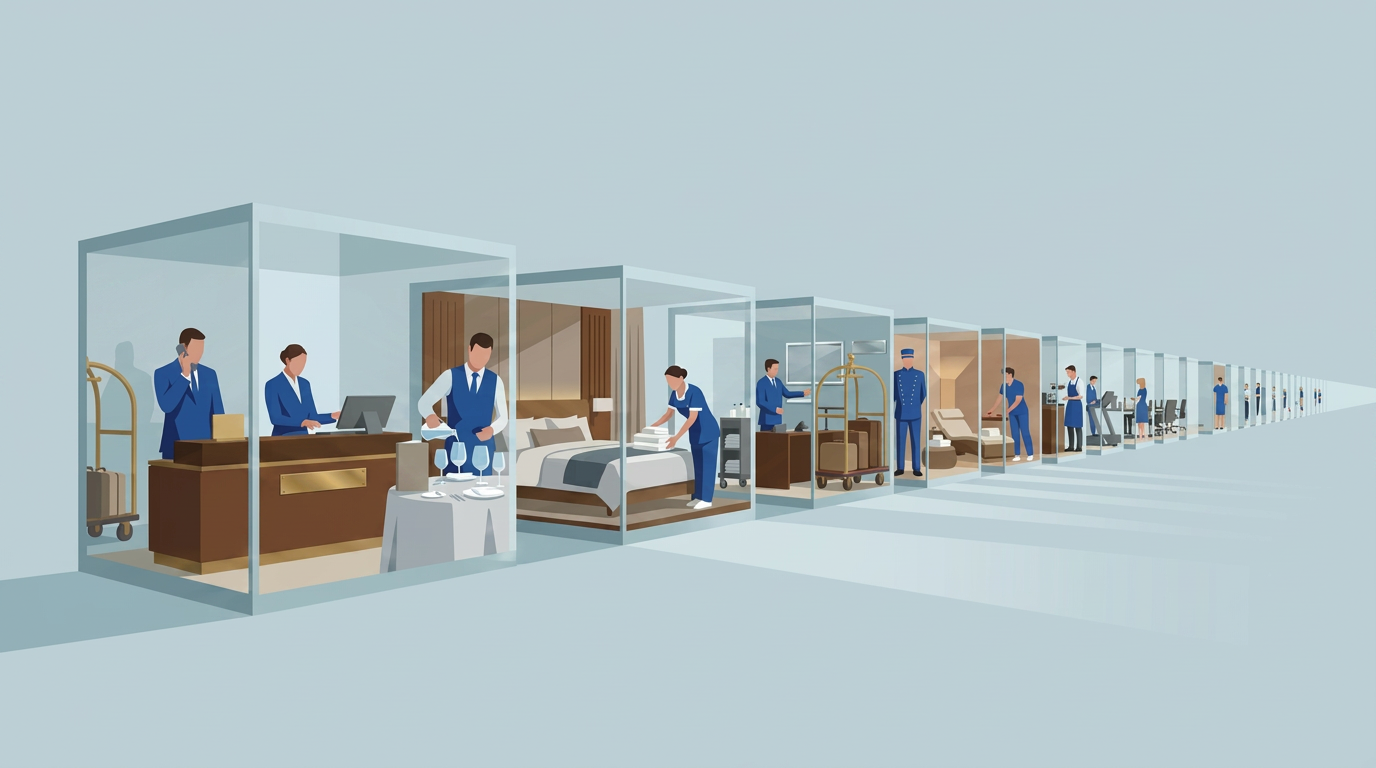
Hotel operations and staffing structures illustrating how rising labor costs are reshaping hotel profitability and operating performance in 2026
In 2026, labor costs are not merely increasing; they are fundamentally reshaping hotel profit and loss statements. This shift represents a profound challenge for hospitality operators, demanding a re-evaluation of traditional financial models. The era where revenue growth automatically translated into margin expansion has largely concluded. Today, the very structure of hotel profitability hinges on how effectively businesses navigate this evolving labor landscape.

According to City Shift Finance, hotel labor costs recently surpassed approximately $125 billion, with projections indicating a further increase of around 3% in the coming year. This substantial financial outlay signifies a structural change in how hotels must manage their most significant expense. This escalating cost pressure means that even robust revenue performance may not safeguard profit margins. When juxtaposed against labor cost inflation that could be around 3%, the resulting margin compression becomes a critical concern for every financial professional in the industry.

The New Reality: Labor as a Structural Cost

Labor has transitioned from a variable expense, easily adjusted with occupancy fluctuations, to a more fixed, structural cost. This transformation is driven by a persistent talent shortage and increased wage demands. Consequently, the primary lever for maintaining profitability is no longer solely about reducing headcount. Instead, it is about enhancing labor productivity.
abstract blue background with subtle flowing forms representing hotel labor cost pressure, workforce misalignment and operational inefficiency across hospitality operations
Practice

Learn more

Optimizing workforce structure becomes paramount. This involves a strategic evaluation of roles and the integration of technology to support human efforts. For example, implementing advanced scheduling software can ensure optimal staffing levels, reducing unnecessary overtime while maintaining service quality. These are not minor adjustments; they represent fundamental shifts in how hotels manage their human capital.

Strategies to Protect Profitability in a High-Cost Environment

Navigating this high-cost environment requires a multi-faceted approach focused on operational discipline and strategic investment.
  • Re-evaluating Operating Models: Explore hybrid service models where certain amenities are streamlined or offered on-demand to allow for more efficient deployment of staff.
  • Technology Integration: Adopt technology to boost labor productivity by automating routine tasks and reducing direct staff interaction for basic guest requests.
  • Strategic Workforce Planning: Engage in proactive planning to forecast labor needs with greater precision and develop internal talent pipelines for better long-term returns.
  • Performance-Based Compensation: Align compensation structures with productivity and guest satisfaction metrics to incentivize efficiency and ensure labor costs are tied to tangible outcomes.
  • Benchmarking: Regularly compare labor costs and productivity metrics against industry benchmarks to allow for targeted adjustments rather than broad, undifferentiated cuts.

The Path Forward

The reshaping of hotel profitability by rising labor costs is an undeniable reality of 2026. It presents a formidable challenge, but also an opportunity for those operators willing to adapt and innovate. By embracing a strategic approach to workforce management, leveraging technology, and maintaining rigorous operational discipline, hotels can not only mitigate the impact of these costs but also establish a more resilient and profitable business model for the future. The ability to manage labor effectively will be a defining characteristic of successful hospitality ventures in the years ahead.
Hotel Labor Costs: Reshaping 2026 Profitability ➜ Why Hotel Profit Margins Are Shrinking ➜ The Hotel Labor Productivity Gap ➜ Luxury Hotel Guest Expectations ➜ Effective Hotel Cost Control ➜ The Growing Hotel Performance Divide ➜ Optimizing Hotel Workforce Structure ➜ Hotel Operational Discipline ➜ Occupancy vs. Margins ➜ 2026 Hospitality Financial Outlook ➜
Featured Podcasts
Hotel Workforce Optimization Insights illustration showing spheres moving unevenly along a slope, representing misaligned labor deployment

Hotel workforce optimization produces margin and service gains when labor is deployed against actual guest demand rather than historical scheduling assumptions.

FP&A consulting for hospitality concept showing hotel front desk with one active staff member and one idle employee as a guest waits with luggage

Hospitality financial planning misses persist even as targets are revised, because the issue is often the assumptions, not execution.

blue arrows rising upward representing increasing hotel F&B labor costs

F&B labour cost keeps rising because the ratio is addressed as a cost problem when it is often driven by revenue limits.

Connect with our team

Contact us

Contact us

Contact

Sign up to download

Topics of Interest: