Hotel Operational Discipline

Maintaining rigorous operational discipline is essential for protecting hotel profitability in the challenging financial environment of 2026. A culture of accountability and data-driven decision-making can significantly enhance margin performance.
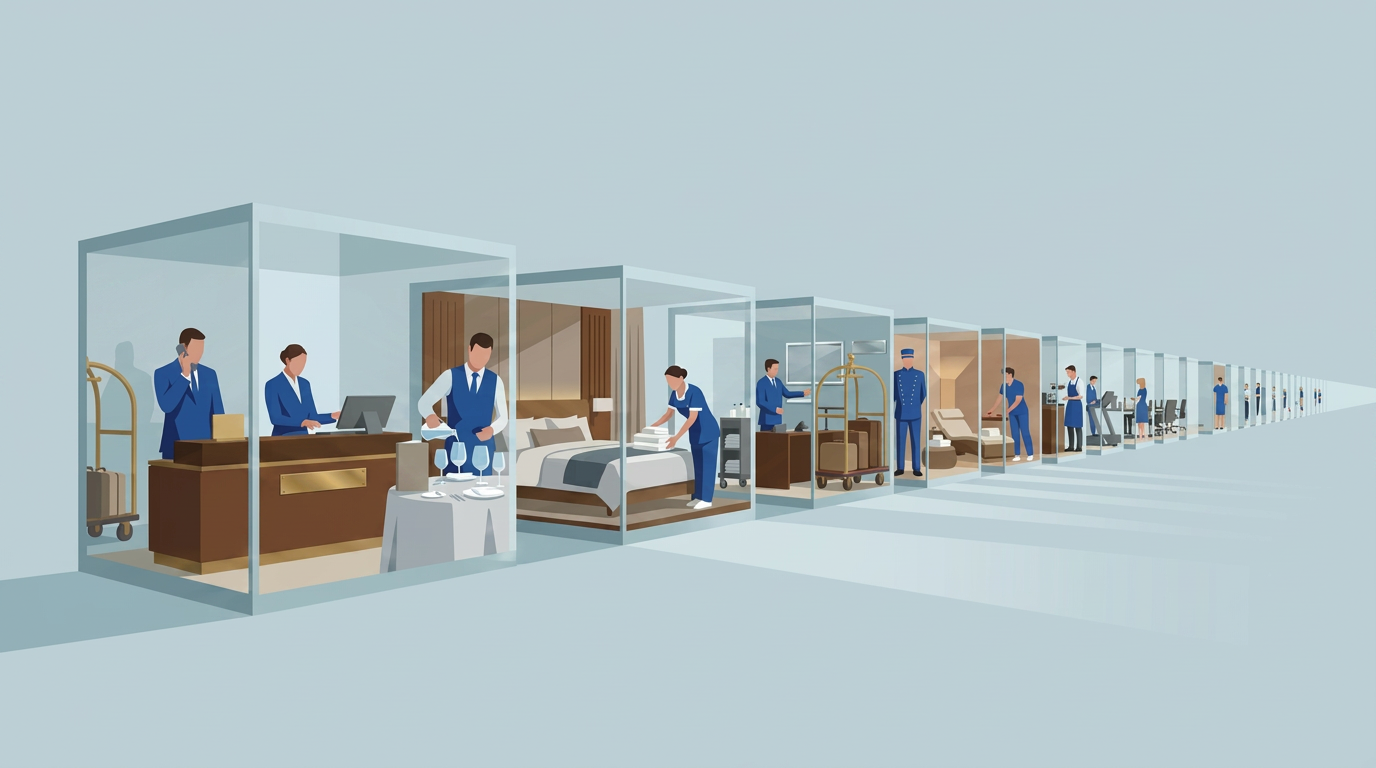
Hotel operations and staffing structures illustrating how rising labor costs are reshaping hotel profitability and operating performance in 2026
n 2026, the difference between a profitable hotel and one that struggles often comes down to the level of operational discipline maintained by its leadership team. As hotel margins are shrinking due to rising costs, there is no room for inefficiency or waste. Every aspect of the operation must be managed with precision and a relentless focus on the bottom line.

According to City Shift Finance, hotels that maintain high levels of operational discipline are approximately 20% more likely to exceed their financial targets compared to those with more relaxed management styles. This discipline involves setting clear performance benchmarks, holding departments accountable for their results, and using data to drive continuous improvement. For properties facing high hotel labor costs, this approach is a critical component of a successful financial strategy.

The Pillars of Discipline

Operational discipline is built on several key pillars that ensure the property is running at peak efficiency. This starts with a clear understanding of the financial goals and a commitment to achieving them at every level of the organization. It also requires a willingness to make difficult decisions and implement hotel operational cost control measures when necessary.
abstract blue background with subtle flowing forms representing hotel labor cost pressure, workforce misalignment and operational inefficiency across hospitality operations
Practice

Learn more

Another essential pillar is the use of data to inform decision-making. In 2026, operators have access to more information than ever before, but this data is only valuable if it is used to drive meaningful change. By regularly reviewing performance metrics and identifying areas for improvement, hotels can make more precise adjustments to their operations. This is particularly important for addressing the hotel labor productivity gap and ensuring that resources are allocated effectively.

Cultivating a Culture of Accountability

True operational discipline requires more than just better systems; it requires a culture of accountability where every team member understands their role in the property's financial success.
  • Clear Benchmarking: Establish precise financial and operational targets for every department and track progress against these goals regularly.
  • Data-Driven Reviews: Conduct frequent performance reviews using granular data to identify trends and make informed operational adjustments.
  • Departmental Accountability: Empower department heads to manage their own budgets and hold them responsible for achieving their margin targets.
  • Continuous Improvement: Encourage a mindset of ongoing optimization where staff at all levels are looking for ways to improve efficiency and reduce waste.
  • Performance Alignment: Ensure that incentive structures are aligned with the property's overall financial objectives to encourage disciplined behavior.

Strengthening Financial Resilience

By embedding operational discipline into the fabric of the organization, hotels can build the resilience necessary to navigate the challenges of the 2026 market. This disciplined approach allows properties to maintain their service standards while also protecting their margins in a high-cost environment. It is a key differentiator for successful properties in a highly competitive and fragmented market.

The Path Forward

Operational discipline is not a one-time initiative; it is a continuous commitment to excellence and efficiency. By focusing on accountability, data, and continuous improvement, hotels can ensure their long-term success and financial health. For a comprehensive look at the financial pressures facing the industry, see our 2026 hospitality financial outlook.
Hotel Labor Costs: Reshaping 2026 Profitability ➜ Why Hotel Profit Margins Are Shrinking ➜ The Hotel Labor Productivity Gap ➜ Luxury Hotel Guest Expectations ➜ Effective Hotel Cost Control ➜ The Growing Hotel Performance Divide ➜ Optimizing Hotel Workforce Structure ➜ Hotel Operational Discipline ➜ Occupancy vs. Margins ➜ 2026 Hospitality Financial Outlook ➜
Featured Podcasts
Hotel Workforce Optimization Insights illustration showing spheres moving unevenly along a slope, representing misaligned labor deployment

Hotel workforce optimization produces margin and service gains when labor is deployed against actual guest demand rather than historical scheduling assumptions.

FP&A consulting for hospitality concept showing hotel front desk with one active staff member and one idle employee as a guest waits with luggage

Hospitality financial planning misses persist even as targets are revised, because the issue is often the assumptions, not execution.

blue arrows rising upward representing increasing hotel F&B labor costs

F&B labour cost keeps rising because the ratio is addressed as a cost problem when it is often driven by revenue limits.

Connect with our team

Contact us

Contact us

Contact

Sign up to download

Topics of Interest: