Effective Hotel Cost Control

Strict operational cost control has become central to maintaining hotel profitability in the high-inflation environment of 2026. Implementing disciplined management strategies is essential for protecting margins and ensuring long-term financial health.
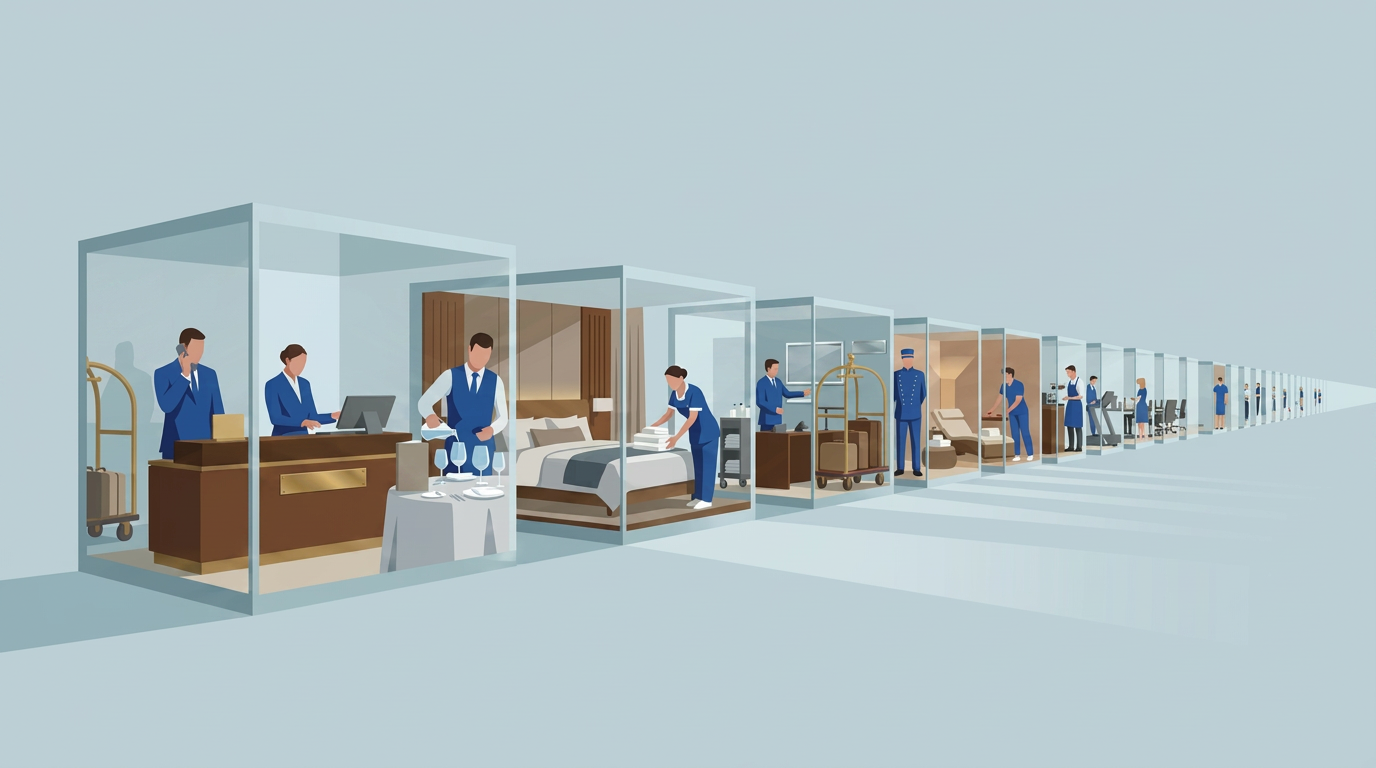
Hotel operations and staffing structures illustrating how rising labor costs are reshaping hotel profitability and operating performance in 2026
In 2026, the ability to manage operational expenses with precision is no longer just an advantage; it is a necessity for survival. As inflationary pressures continue to drive up the cost of labor, utilities, and supplies, hotels must adopt a more rigorous approach to financial management. The traditional model of reactive cost-cutting is being replaced by a more proactive and strategic focus on hotel operational cost control.

According to City Shift Finance, hotels that implement comprehensive cost-control programs see an average margin improvement of approximately 5% compared to those that do not. This significant financial impact highlights why cost management has moved from a secondary consideration to a primary focus for executive leadership. For properties where hotel margins are shrinking, these measures are critical to maintaining viability.

The Cost Management Challenge

The primary challenge in cost control is identifying areas for savings without compromising the quality of the guest experience. In an era of high luxury hotel guest expectations,broad, undifferentiated cuts can be counterproductive. Instead, operators must use data to identify specific inefficiencies and implement targeted solutions.
abstract blue background with subtle flowing forms representing hotel labor cost pressure, workforce misalignment and operational inefficiency across hospitality operations
Practice

Learn more

This requires a granular understanding of the property's financial performance. For example, many hotels are finding that their energy consumption is a major driver of rising costs. By investing in energy-efficient systems and implementing smarter building management practices, they can achieve significant long-term savings. Similarly, optimizing procurement processes can help mitigate the impact of rising supply chain costs.

Strategies for Operational Discipline

Achieving effective cost control requires a culture of operational discipline that permeates every department.
  • Expense Benchmarking: Regularly compare departmental expenses against industry standards to identify areas where costs are out of alignment.
  • Procurement Optimization: Streamline purchasing processes and negotiate better terms with suppliers to reduce the cost of goods and services.
  • Energy Management: Implement energy-saving initiatives and invest in technology to reduce utility consumption and lower operational overhead.
  • Labor Efficiency: Focus on improving through better scheduling and cross-training to ensure optimal staffing levels.
  • Waste Reduction: Identify and eliminate waste in food and beverage operations and other departments to improve overall margin performance.

Protecting Long-Term Profitability

Effective cost control is not about a one-time reduction in expenses; it is about establishing a sustainable framework for financial management. Properties that maintain a consistent focus on operational discipline are approximately 20% more likely to achieve their long-term profit targets. This requires ongoing monitoring and a willingness to adapt to changing market conditions.

The Path Forward

The focus on operational cost control is a defining characteristic of successful hospitality management in 2026. By embracing a disciplined and data-driven approach, hotels can navigate the challenges of a high-cost environment and ensure their financial resilience. For a comprehensive look at the pressures facing the industry, see our 2026 hospitality financial outlook.
Hotel Labor Costs: Reshaping 2026 Profitability ➜ Why Hotel Profit Margins Are Shrinking ➜ The Hotel Labor Productivity Gap ➜ Luxury Hotel Guest Expectations ➜ Effective Hotel Cost Control ➜ The Growing Hotel Performance Divide ➜ Optimizing Hotel Workforce Structure ➜ Hotel Operational Discipline ➜ Occupancy vs. Margins ➜ 2026 Hospitality Financial Outlook ➜
Featured Podcasts
Hotel Workforce Optimization Insights illustration showing spheres moving unevenly along a slope, representing misaligned labor deployment

Hotel workforce optimization produces margin and service gains when labor is deployed against actual guest demand rather than historical scheduling assumptions.

FP&A consulting for hospitality concept showing hotel front desk with one active staff member and one idle employee as a guest waits with luggage

Hospitality financial planning misses persist even as targets are revised, because the issue is often the assumptions, not execution.

blue arrows rising upward representing increasing hotel F&B labor costs

F&B labour cost keeps rising because the ratio is addressed as a cost problem when it is often driven by revenue limits.

Connect with our team

Contact us

Contact us

Contact

Sign up to download

Topics of Interest: