2026 Hospitality Financial Outlook

The 2026 hospitality financial outlook is defined by significant pressure on margins and a fundamental shift in operating models. Navigating this environment requires a strategic focus on operational discipline, technology integration, and workforce optimization.
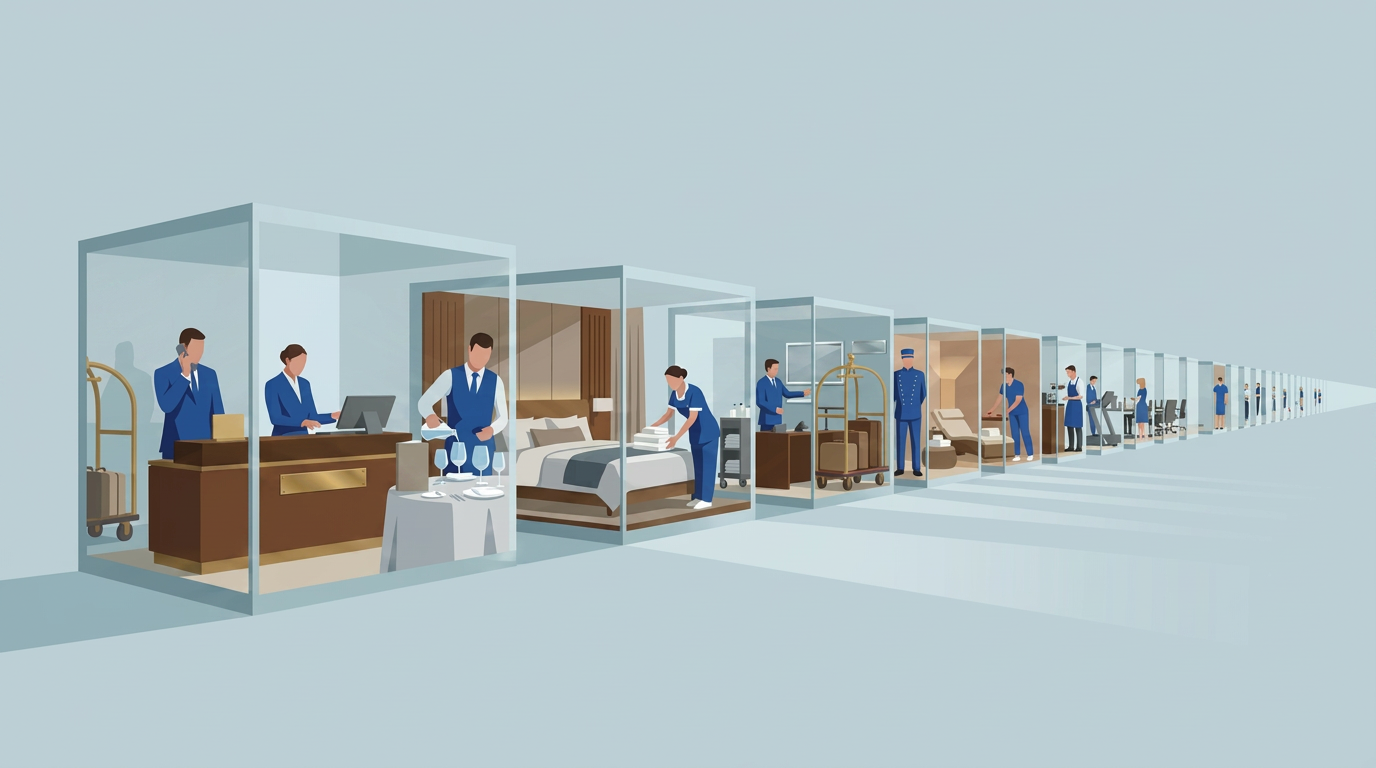
Hotel operations and staffing structures illustrating how rising labor costs are reshaping hotel profitability and operating performance in 2026
As we move through 2026, the hospitality industry is facing a complex array of financial challenges that are reshaping the competitive landscape. From rising hotel labor costs to the widening hotel performance divide, operators and investors must navigate a more fragmented and demanding market. Understanding these trends is essential for developing a resilient and profitable strategy for the future.

According to City Shift Finance, the overall profitability of the hospitality sector is expected to remain under pressure, with margins contracting by approximately 2% across most segments. This trend is driven by a combination of flat occupancy growth and escalating operational expenses. For properties where hotel margins are shrinking, the focus must shift from top-line revenue to rigorous hotel operational cost control.

The Drivers of Change

Several key drivers are influencing the financial performance of the industry in 2026. The most significant is the structural shift in labor markets, which has made staffing a more fixed and costly component of the operating model. This has created a critical hotel labor productivity gap that must be addressed through better workforce planning and technology.
abstract blue background with subtle flowing forms representing hotel labor cost pressure, workforce misalignment and operational inefficiency across hospitality operations
Practice

Learn more

Additionally, the rising bar for guest service, particularly in the luxury segment, is putting further pressure on margins. Meeting high luxury hotel guest expectations requires a level of investment that is increasingly difficult to maintain. To succeed, hotels must find ways to enhance the guest experience while simultaneously improving their operational efficiency through better workforce structure optimization.

Strategies for Resilience

Building a resilient hospitality business in 2026 requires a multi-faceted approach that prioritizes financial discipline and strategic innovation.
  • Operational Discipline: Establish a culture of accountability and data-driven decision-making to ensure that every department is focused on margin performance.
  • Technology Integration: Invest in tools that enhance productivity and improve the efficiency of service delivery across all departments.
  • Strategic Pricing: Implement more sophisticated pricing models that reflect the true cost of doing business in a high-inflation environment.
  • Market Segmentation: Focus on attracting high-value guests and developing clear strategies for competing in a fragmented market.
  • Workforce Optimization: Develop more flexible and integrated staffing models that can respond quickly to changes in guest demand.

Navigating the Future

The financial pressures facing the hospitality industry in 2026 are significant, but they also present an opportunity for those willing to adapt. By focusing on operational efficiency and strategic financial management, hotels can build a more sustainable and profitable model for the future. The most successful businesses will be those that recognize these trends and take proactive steps to address them.

The Path Forward

The 2026 hospitality financial outlook is a call to action for operators and investors alike. By embracing a disciplined and data-driven approach, the industry can navigate this challenging environment and ensure its long-term health. For a deeper look at any of the topics discussed here, explore our full series of articles on the state of hospitality in 2026.
Hotel Labor Costs: Reshaping 2026 Profitability ➜ Why Hotel Profit Margins Are Shrinking ➜ The Hotel Labor Productivity Gap ➜ Luxury Hotel Guest Expectations ➜ Effective Hotel Cost Control ➜ The Growing Hotel Performance Divide ➜ Optimizing Hotel Workforce Structure ➜ Hotel Operational Discipline ➜ Occupancy vs. Margins ➜ 2026 Hospitality Financial Outlook ➜
Featured Podcasts
Hotel Workforce Optimization Insights illustration showing spheres moving unevenly along a slope, representing misaligned labor deployment

Hotel workforce optimization produces margin and service gains when labor is deployed against actual guest demand rather than historical scheduling assumptions.

FP&A consulting for hospitality concept showing hotel front desk with one active staff member and one idle employee as a guest waits with luggage

Hospitality financial planning misses persist even as targets are revised, because the issue is often the assumptions, not execution.

blue arrows rising upward representing increasing hotel F&B labor costs

F&B labour cost keeps rising because the ratio is addressed as a cost problem when it is often driven by revenue limits.

Connect with our team

Contact us

Contact us

Contact

Sign up to download

Topics of Interest: