06 – When Hotel Last-Minute Event Changes Generate Unplanned Labor Cost
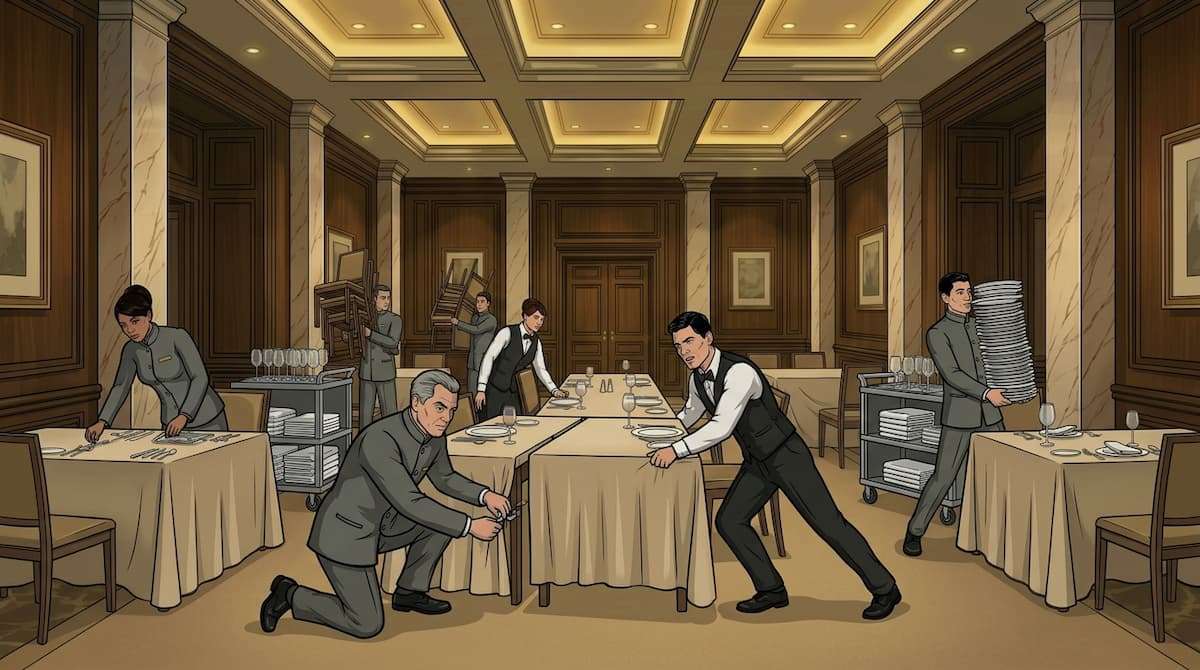
The corporate client called at 11:00 AM for a 6:00 PM banquet. The guest count had increased from 180 to 240. The room configuration needed to change from ...
Get started

On a Saturday evening the hotel’s restaurant ran dinner service from 6:00 to 10:00 PM. In the adjacent ballroom, a 280-person wedding reception ran from 5:30 to 11:00 PM. Both operations required access to the same kitchen, the same expediting team, and the same senior F&B supervisor on duty that evening. 3 restaurant servers who had completed their dinner service sections were redeployed to the banquet reception from 9:00 PM to assist with late-evening dessert service and bar management. The restaurant had paid for those servers from 5:00 PM. The banquet had used them from 9:00 PM. Neither department’s labor report showed the full cost picture of the evening. The restaurant showed 3 servers working beyond their primary service period. The banquet showed 3 additional covers of service labor at no cost because the servers were coded to the restaurant.
Hotel banquet and restaurant labor overlaps during mixed-use periods generate a financial picture for both departments that does not reflect the actual labor each operation consumed that evening.
Hotel banquet and restaurant operations share kitchen infrastructure in most full-service hotels. During a mixed-use period when both operations are running simultaneously, the kitchen team is serving 2 masters. The executive chef or kitchen supervisor is managing production for both. The expediting function handles plates for both. The dishwashing capacity is consumed by both. The labor cost of the kitchen during a simultaneous banquet and restaurant operation is distributed between the 2 departments in ways that are determined by accounting convention rather than by actual usage.
A kitchen running at full capacity to serve a 280-person wedding reception and a 60-cover restaurant service simultaneously is generating kitchen labor cost that is allocated between the 2 departments on some predetermined basis, typically by cover count or revenue split. That allocation may or may not reflect the actual kitchen labor intensity each operation demanded. A banquet service requiring synchronized plating for 280 guests generates far more kitchen intensity per hour than a restaurant service of 60 covers managed over a 3-hour service period. The allocation that treats both equally understates the banquet’s kitchen labor cost and overstates the restaurant’s.
“We ran the restaurant and the wedding simultaneously every Saturday in season. The kitchen labor was split between the 2 events on a formula basis. Nobody had ever asked whether the formula matched what each operation was actually using.”

We help hotels control labor costs by connecting staffing, productivity, forecasting, budgets, and department-level workforce decisions to changing property demand while protecting service quality.
Learn MoreHotel restaurants and banquet operations redeploy staff between functions during mixed-use periods as a matter of operational necessity. A restaurant server whose section is complete at 9:00 PM moves to the banquet to assist with late-service demand. A banquet server who finishes breakdown before the restaurant closes assists with restaurant cleanup. Each crossover is a real labor hour that is coded to whichever department that employee’s primary assignment falls under, regardless of where the work was actually performed.
Coordinating hotel banquet and restaurant labor tracking during mixed-use periods requires identifying crossover hours and reattributing them to the operation that consumed them. That reattribution changes the financial picture of both operations for the evening and produces P&Ls that reflect what each operation actually cost to run rather than what a static allocation formula assigned to them. Hotels that have implemented crossover labor tracking during simultaneous event and restaurant operations find that the banquet’s true labor cost is typically higher than the allocation suggests and the restaurant’s is lower. Both findings improve the accuracy of the pricing and staffing decisions each department makes for future periods. This is the mixed-use labor cost accuracy that hotel banquet and restaurant shared labor cost tracking delivers when crossover hours are reattributed rather than absorbed into primary department codes.
“When we tracked the actual crossover hours during simultaneous operations, the banquet’s effective labor cost was about 15% higher than the formula allocation had shown. The restaurant’s was correspondingly lower.”
Hotel banquet and restaurant operations that run simultaneously and report their financial performance in separate departmental P&Ls built on allocation formulas are each managing an incomplete picture of their own economics. The banquet underestimates its labor cost. The restaurant overestimates its. The pricing, staffing, and margin decisions each department makes from those P&Ls are less accurate than they would be if the labor had been tracked and attributed at the function level rather than at the department code level.
This Article Is Part of a Larger Series
Access the complete Hotel Labor Series
The corporate client called at 11:00 AM for a 6:00 PM banquet. The guest count had increased from 180 to 240. The room configuration needed to change from ...
Get started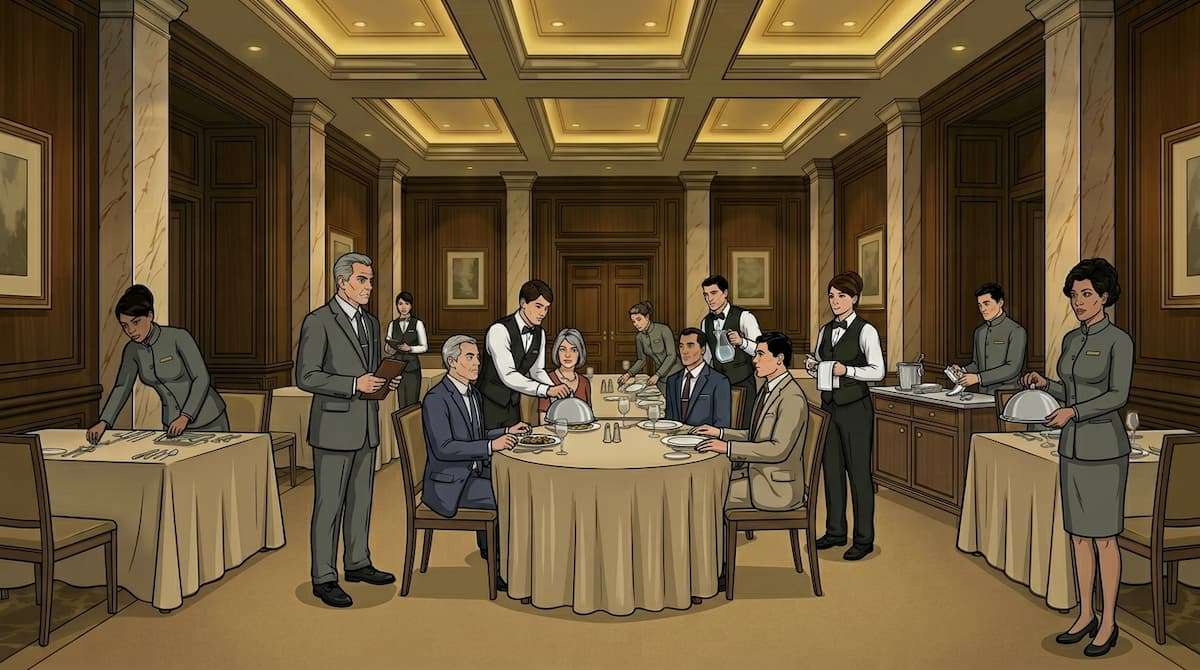
The hotel banquet department generated $2.1 million in event revenue across the prior year. Total banquet labor cost, including servers, captains, setup st...
Get started