
The Annual Budget Carries Hold-Period Timing
At a PE-backed portfolio company, the annual budget places multi-year value-creation assumptions into a specific financial period and can change ownership ...
Read article
At a PE-backed portfolio company, the annual budget places multi-year value-creation assumptions into a specific financial period and can change ownership ...
Read article
Startup payables can delay supplier cash outflow after the operating cost is already incurred, making current liquidity appear stronger until invoice timin...
Read article
Startup stock compensation can reduce immediate cash payroll while increasing the economic cost carried through equity, creating a compensation decision th...
Read article
Startup venture debt can extend runway when the cash arrives, then compress future liquidity as interest and principal become recurring claims on the same ...
Read article
Startup payment reserves can leave completed customer transactions outside usable cash, creating a liquidity position that is weaker than sales activity su...
Read article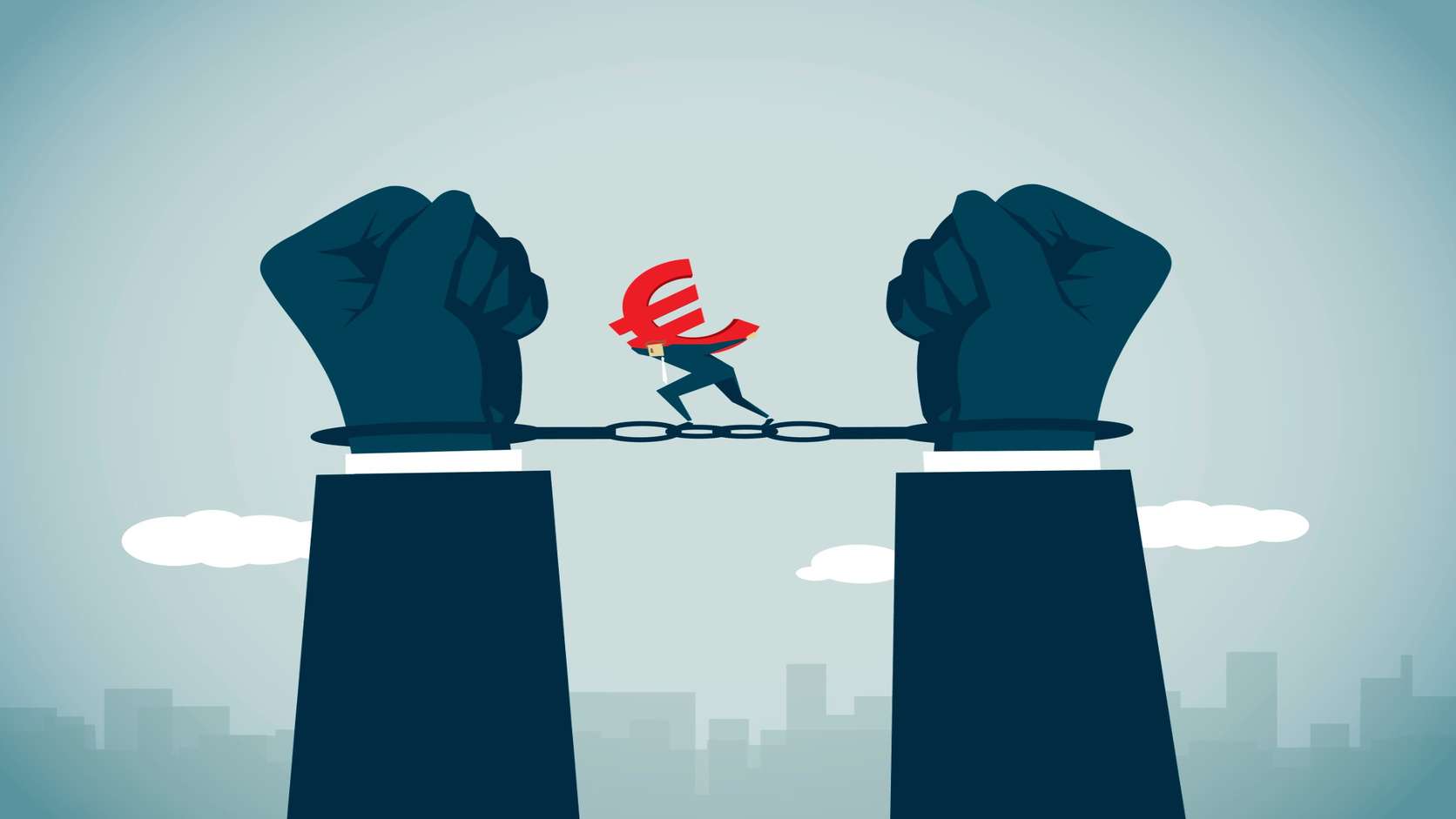
Startup foreign-exchange exposure can change the cash value of expected receipts and payments after the operating commitment is made, leaving a forecast ex...
Read article
Startup capitalized software can improve the timing of reported expense without changing when development cash leaves the business, separating accounting p...
Read article
Startup sales commissions can become payable before customer cash is collected, creating a timing mismatch where commercial success increases near-term cas...
Read article
Startup accrued expenses can make current cash look stronger than the operating period really is, because costs have already been incurred even though the ...
Read article
Startup vendor renewals can concentrate large contractual payments into a few dates, creating runway pressure that remains hidden when recurring software a...
Read article