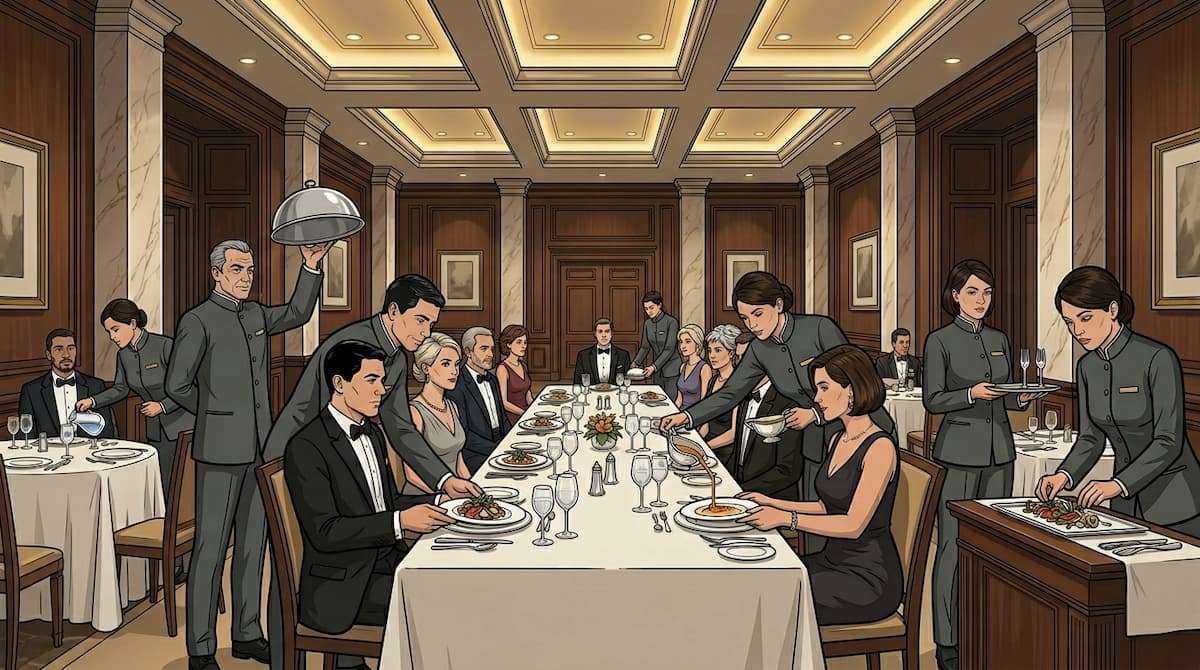
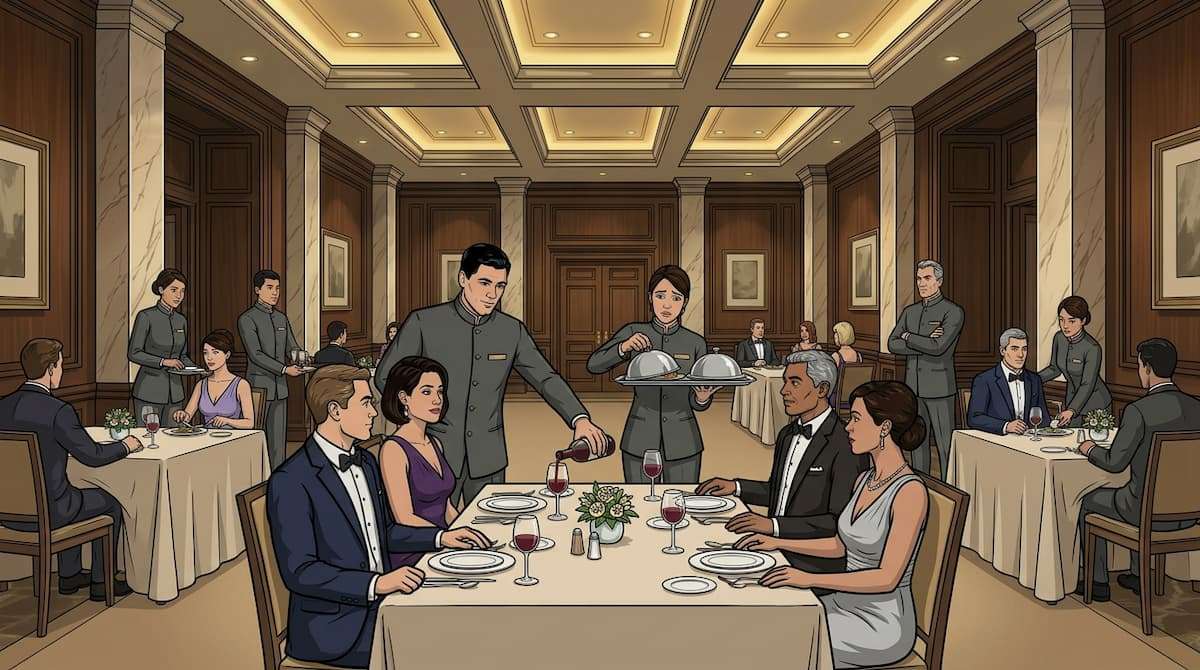
The hotel hosted a 220-person corporate dinner. The event contract specified a food and beverage minimum, a room rental fee, and a service charge. The service charge was intended to cover the labor of serving the event. When the banquet department reconciled the actual labor cost of the event, including setup, service, and breakdown, the total hours across all banquet positions came to $4,840. The service charge collected from the client was $3,200. The banquet labor cost had exceeded the service charge recovery by $1,640. That gap did not appear in the event P&L because the event P&L showed service charge as a revenue line and banquet labor as a separate department cost. Neither line appeared on the same report. The $1,640 gap was invisible.
Hotel banquet labor cost systematically exceeds what event contracts are designed to recover because the service charge calculation that is supposed to cover labor is built on a formula rather than on the actual hours the event will require.
The Service Charge Formula That Does Not Match Actual Labor
Hotel banquet service charges are typically set as a percentage of food and beverage revenue, commonly between 18% and 24%. That percentage is applied uniformly to every event regardless of the specific labor the event requires. A formal seated dinner requiring highly skilled service staff working for 4 hours and a self-service buffet requiring minimal table maintenance both attract the same service charge percentage against their food and beverage spend. The dinner requires materially more labor. The formula does not distinguish between them.
When the service charge formula consistently underestimates the actual labor cost of complex events, the banquet department absorbs the difference. That absorption appears as a labor cost variance in the banquet department budget. The event that generated it looks profitable because the service charge and the food and beverage margin are sufficient to cover food cost and the formulaic service charge. The additional labor that the event required beyond what the formula predicted sits in the department budget as an unexplained cost.
“The service charge was supposed to cover the labor. What we hadn’t done was calculate whether it was actually covering the labor for each type of event we hosted. For complex seated dinners, it wasn’t.”
The Event Types That Generate Labor Above the Formula
Hotel banquet events generate labor above the service charge formula in predictable patterns. Formal multi-course dinners require more skilled servers per cover and longer service windows than casual buffets. Events with wine service require dedicated sommeliers or trained wine servers that generic service charge percentages do not price. Awards ceremonies with synchronized service require a degree of orchestration that adds supervisory labor beyond what the cover count alone would suggest. Outdoor events requiring equipment transport generate setup labor that indoor events do not.
Identifying the event types that consistently generate banquet labor above the service charge recovery requires tracking actual labor cost per event alongside the service charge collected, by event format rather than in aggregate. Hotels that have built that tracking find that specific event formats, formal dinners, multi-course awards events, and technically complex productions, generate labor recovery gaps that the formula consistently misses. Repricing those formats, or adjusting the service charge percentage for higher-labor event types, requires the event-level labor data that aggregate banquet reporting does not produce. This is the per-event labor attribution that hotel banquet labor cost and event contract recovery delivers when actual labor hours are connected to the specific events that generated them.
“When we built the per-event labor comparison for the first time, the formal dinners were consistently running a labor recovery gap. The formula had been right for casual events and wrong for complex ones for years.”
What the Service Charge Gap Is Telling the Event Pricing
A hotel banquet service charge formula that consistently undercovers labor for specific event types is not a pricing model. It is a uniform percentage applied to a non-uniform labor requirement. Hotels that connect actual banquet labor cost to specific event formats produce service charge structures that recover the full labor cost of each event type rather than averaging the recovery across all events in a way that subsidizes complex events with the margin from simpler ones.
This Article Is Part of a Larger Series
Access the complete Hotel Labor Series