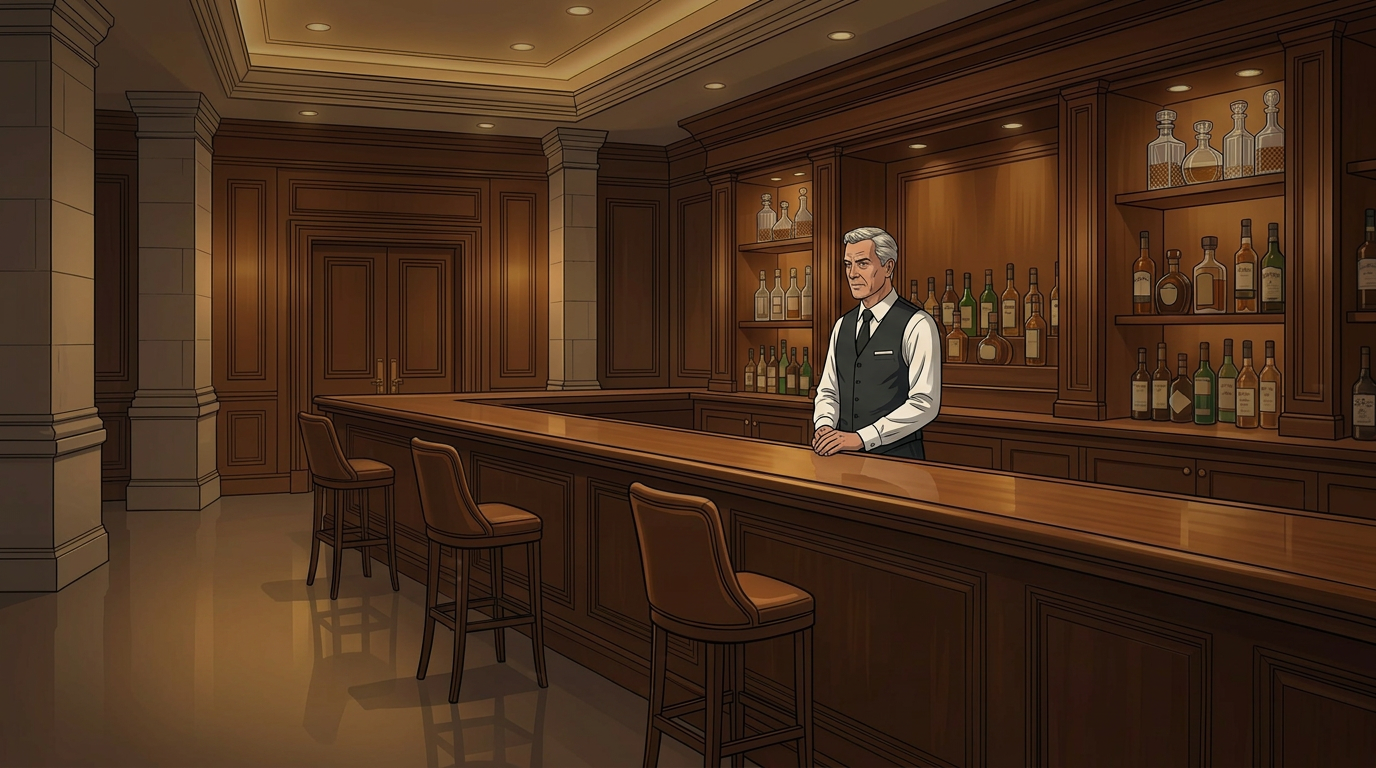
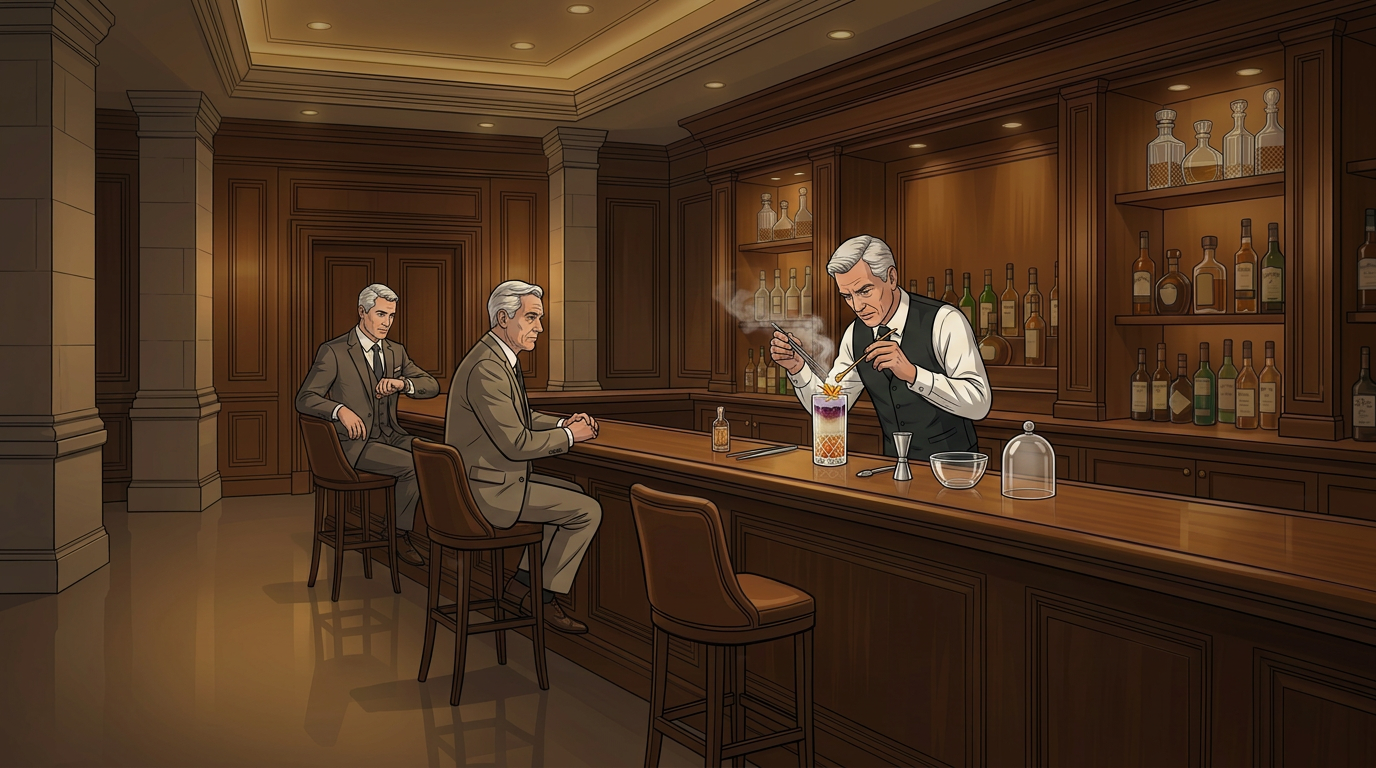
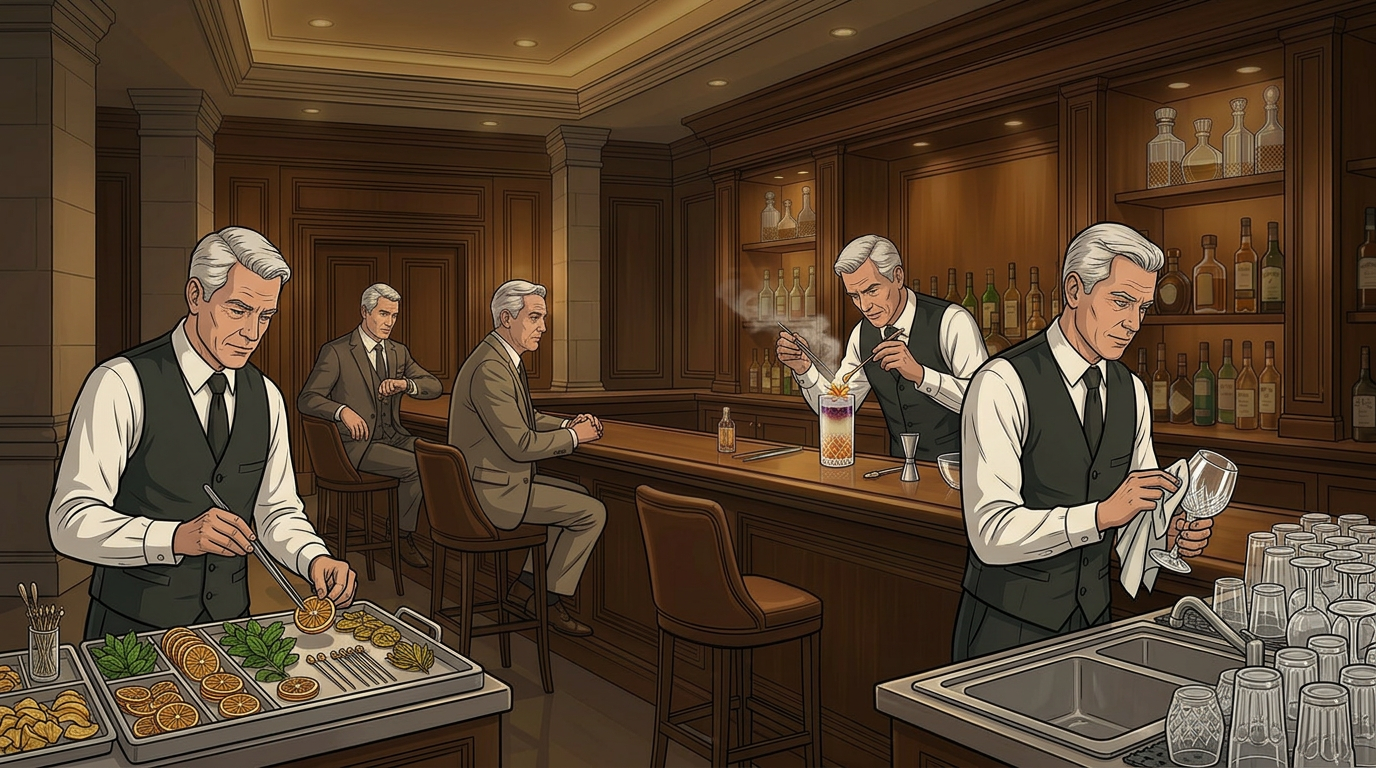
The hotel bar remained open until 1:00 AM 7 days a week. The decision had been made at opening based on the hotel’s positioning as a full-service urban hotel where guests expected late-night access. The bar was staffed with 1 bartender from 11:00 PM to close. Across a 90-day tracking period, late night cover counts averaged 4.2 guests per hour between 11:00 PM and 1:00 AM. On 12 of those 90 nights, the bar served more than 15 covers during the late window. On 38 nights it served fewer than 3. The bartender was present and paid for all 180 hours of late night coverage regardless of how many guests appeared.
Hotel late night bar coverage is a fixed cost committed against a demand level that is genuinely variable and frequently low. The service commitment is real. The financial case for the current coverage structure rarely is.
The Brand Standard That Created a Fixed Cost Regardless of Demand
Hotel late night bar availability is often a brand standard requirement rather than a demand-driven decision. The flag requires it. The competitive set offers it. The hotel’s positioning implies it. The financial case for it, measured in late night beverage revenue against late night bartender cost, is rarely examined before the decision is made and almost never examined formally afterward.
A bartender earning $26 per hour covering a 2-hour late night window at 4.2 covers per hour is generating $52 in bartender labor cost against a period that produces an average of 4.2 beverage transactions. At an average beverage spend of $18, the late window generates $75.60 in revenue against $52 in bartender labor before any other cost. The contribution from late night bar operations before beverage cost, overhead, and management cost is $23.60 per night. On the 38 nights with fewer than 3 covers, the late night bar generates negative contribution before any cost beyond the bartender’s wage.
“We kept the bar open until 1:00 AM because that is what the hotel’s positioning required. We had never calculated whether the late night coverage was generating enough revenue to justify the cost of providing it.”
Closing Earlier as a Financial Decision
A hotel bar that closes at 11:30 PM instead of 1:00 AM on nights when reservation data and event programming suggest low late-night demand is making a financial decision rather than a service reduction. Guests with genuine late-night needs on those evenings can be served from an alternative source, room service, or a reduced offering at the front desk area, at a lower labor cost than maintaining a fully staffed bar until 1:00 AM. On nights when event programming or high occupancy indicates genuine late-night demand, the full coverage is warranted and financially justified.
Connecting hotel bar operating hours to the demand signals that predict late-night cover volume, occupancy, event programming, day of week, and seasonal patterns, produces a closing time model that responds to what the data says rather than to the convention of holding the same hours every night. Hotels that have made that connection find that the late-night labor cost reduction on low-demand nights is real and that the guest experience impact on those nights is minimal because the demand they were covering was minimal. This is the operating hour calibration that hotel bar labor cost and demand-driven closing decisions delivers when late-night coverage is treated as a financial decision rather than a brand standard obligation applied uniformly regardless of demand.
“We introduced variable closing on slow nights. The first month the late-night labor saving was $2,400. Not a single guest complaint traced back to the earlier close on those nights.”
What Late Night Coverage Is Telling the Bar P&L
A hotel bar late night coverage commitment that generates negative contribution on more than 40% of the nights it operates is not a service investment with a financial return. It is a brand standard applied uniformly to a demand pattern that does not justify uniform coverage. Hotels that examine the late-night contribution night by night, connect it to the demand signals that predicted it, and use those signals to calibrate operating hours make a different financial decision about late-night bar coverage than hotels that hold the same hours because that is what the hotel has always done.
This Article Is Part of a Larger Series
Access the complete Hotel Labor Series