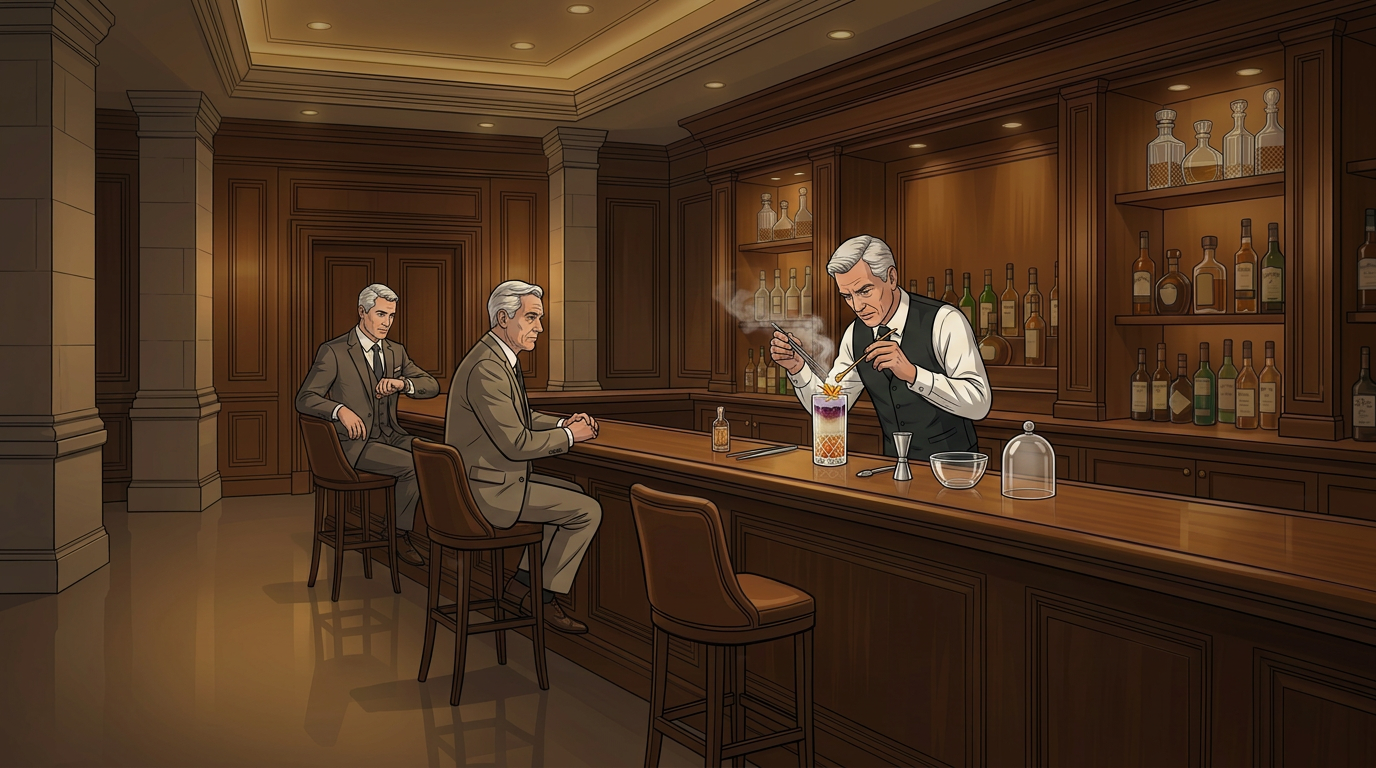
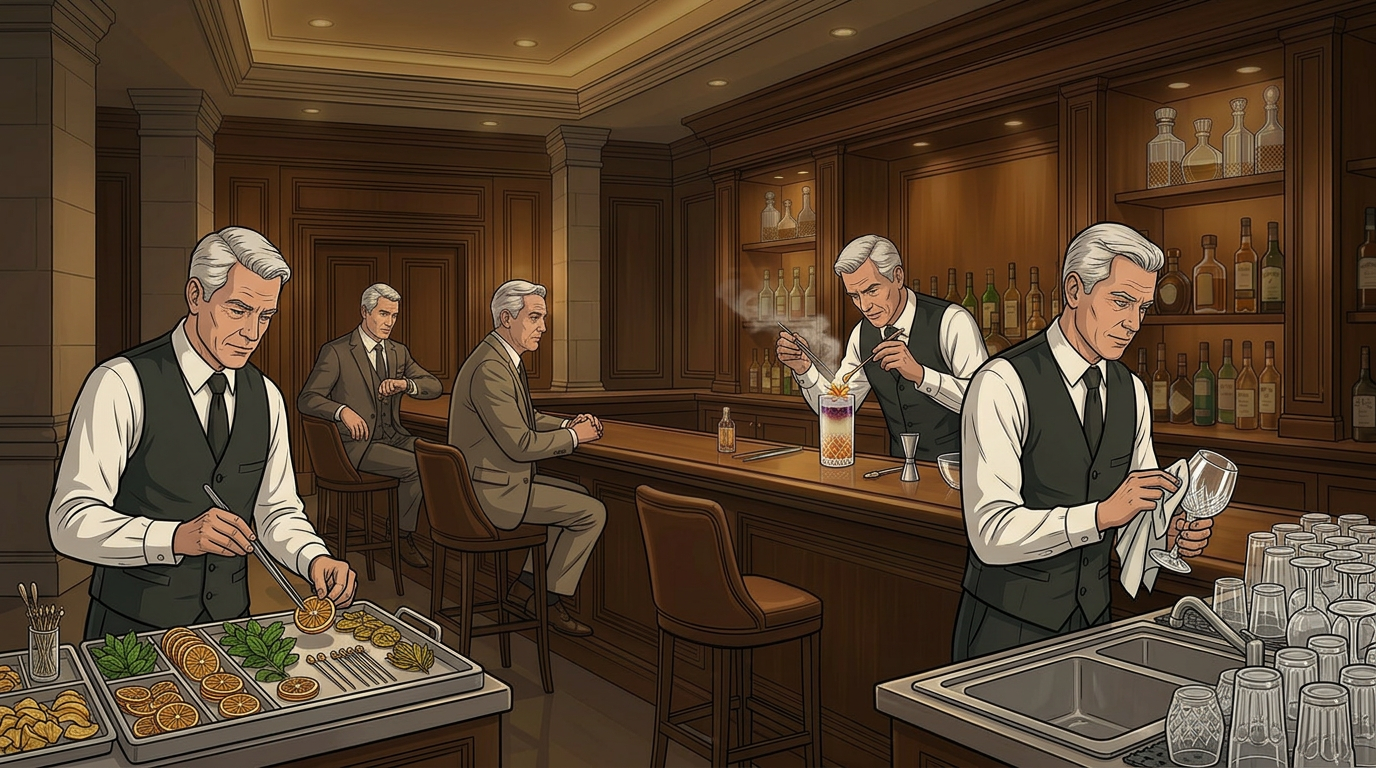
The hotel bar introduced a craft cocktail program with 14 signature cocktails, each requiring between 3 and 7 preparation steps, house-made syrups, fresh-squeezed juices, and hand-cut garnishes. The program was designed to elevate the bar’s positioning, increase average beverage spend, and differentiate the hotel’s F&B offering. Cocktail prices were set at $18 to $24. The pour cost per cocktail was managed within a 22% target. What was not calculated was the labor cost embedded in the preparation time. A cocktail requiring 4 minutes of skilled preparation time, including syrup measurement, juice pressing, muddling, and garnish work, was generating preparation labor cost of approximately $1.87 per drink at the bartender’s wage rate. That preparation labor cost was invisible in the pour cost calculation and invisible in the margin calculation.
Hotel cocktail program complexity adds a labor cost per drink that is never included in the pricing model that approved the program. The pour cost looks controlled. The true cost per cocktail does not.
Preparation Time as a Labor Cost Per Drink
Hotel cocktail pricing is typically set against pour cost percentage. The cost of spirits, mixers, and garnishes is calculated as a percentage of the selling price. A cocktail priced at $22 with a $4.84 ingredient cost has a 22% pour cost, within the acceptable range for a full-service hotel bar. That calculation does not include the labor cost of the bartender’s time required to prepare the cocktail. A 4-minute preparation time at a bartender wage of $28 per hour represents $1.87 in labor cost per cocktail. Added to the pour cost, the true cost per cocktail is $6.71, and the true cost percentage is 30.5%, not 22%.
The difference between a 22% cost percentage and a 30.5% cost percentage is the labor embedded in the preparation complexity. For a bar selling 80 cocktails per evening shift, that embedded labor cost represents $149.60 per shift in bartender time consumed by cocktail preparation that the menu pricing never recovered. Across a full operating year, the unrecovered preparation labor from a complex cocktail program represents a material cost that the beverage margin absorbed without anyone placing a number on it.
“Pour cost was fine. We were proud of the cocktail program. When we calculated the preparation time and added it to the ingredient cost, the true cost per cocktail was significantly higher than the pricing had accounted for.”
The Throughput Cost of Complex Cocktail Programs
Beyond the preparation labor cost per cocktail, complex cocktail programs reduce a bartender’s throughput capacity during peak service periods. A bartender who can serve 8 beer and wine orders per 10 minutes can serve 2 to 3 complex cocktails in the same window. During happy hour or event peaks, the time devoted to cocktail preparation reduces the total covers the bar can serve. The revenue lost to reduced throughput capacity during peak periods is not captured anywhere in the bar’s financial reporting because it is an opportunity cost, revenue that could have been generated if the bar had capacity to serve more guests during the peak window.
Calculating the full cost of a hotel cocktail program requires adding the preparation labor cost per cocktail to the ingredient cost, applying that to the cocktail pricing, and reviewing whether the resulting true cost percentage is consistent with the bar’s margin targets. It also requires assessing whether the cocktail program’s throughput impact during peak periods is reducing the total revenue the bar generates during its highest-demand windows. Hotels that have performed that calculation find that complex cocktail programs frequently improve average check and positioning while simultaneously compressing margin through preparation labor and throughput reduction in ways that the pour cost metric never surfaces. This is the full beverage cost picture that hotel bar program cost and beverage margin management reveals when labor is included in the cost calculation rather than treated as a separate overhead.
“The cocktail program was the right move for the brand. The pricing needed to reflect what the program actually cost to deliver, not just the ingredients. That was a different number.”
What Cocktail Complexity Is Telling the Beverage Margin
A hotel cocktail program that generates strong average check and guest satisfaction while compressing beverage margin through unrecovered preparation labor is not a failed program. It is a program that was priced without the full cost information. Hotels that include preparation labor in their cocktail cost calculations set prices that recover the full cost of delivery. Hotels that include only ingredient cost set prices that look attractive and produce beverage margins that the preparation labor cost is quietly consuming.
This Article Is Part of a Larger Series
Access the complete Hotel Labor Series