
05 – Why Hotel Late Night Bar Coverage Creates Fixed Cost Against Variable Demand
The hotel bar remained open until 1:00 AM 7 days a week. The decision had been made at opening based on the hotel’s positioning as a full-service urb...
Get started

The hotel bar was managed by a bar manager, an assistant bar manager, and a lead bartender who performed partial supervisory functions across the evening shift. The frontline team comprised 3 bartenders and 2 bar backs across peak periods. The supervisory structure had grown over 2 years as the hotel elevated its beverage program, added a cocktail menu, and introduced a spirits education initiative for the bartender team. Beverage revenue had grown 8% across those 2 years. Supervisory labor within the bar department had grown 41%. The revenue the supervisory structure was overseeing had not grown proportionally to the overhead sitting above it.
Hotel bar supervisory cost grows through program additions and reclassifications that each look justified in isolation and collectively produce an overhead structure the outlet’s beverage revenue cannot support.
Hotel beverage program enhancements, cocktail menus, spirits lists, tasting events, and bartender education initiatives, are justified on the basis of revenue uplift and brand positioning. Each enhancement is designed and launched by someone at the supervisory level. When the enhancement becomes a permanent feature of the bar program, the supervisory cost of maintaining, updating, and training the team on it becomes a permanent cost. A cocktail menu requiring quarterly revision, sourcing management, and ongoing bartender training has a real supervisory cost that was not in the bar budget before the program existed.
The financial case for each program enhancement is typically built on the revenue it will generate. The supervisory cost of maintaining the program indefinitely is rarely included in that case. A cocktail program that generates $18,000 in incremental annual beverage revenue but requires $24,000 in additional annual supervisory time to maintain, revise, and train is not a revenue addition. It is a net cost that the revenue framing concealed at launch.
“The cocktail program was a success by every beverage metric we tracked. When we calculated the ongoing supervisory cost of maintaining it, the financial picture looked different.”

We help hotels control labor costs by connecting staffing, productivity, forecasting, budgets, and department-level workforce decisions to changing property demand while protecting service quality.
Learn MoreHotel bar supervisory cost is frequently underestimated because part of it is embedded in frontline position classifications rather than in the formal supervisory structure. A lead bartender classification carrying partial supervisory responsibilities, opening and closing duties, cash reconciliation, inventory spot checks, and new bartender mentoring, generates supervisory cost at a frontline wage rate. That cost appears in the bartender labor line rather than in the supervisory line, making the total supervisory cost of the bar lower than it actually is.
Separating genuine supervisory cost from frontline cost in a hotel bar requires identifying the supervisory functions that each position performs, calculating the hours those functions consume, and costing them at the appropriate rate. A lead bartender spending 30% of their shift on supervisory functions is generating supervisory cost at a frontline rate. The financial picture of the bar’s supervisory structure includes those hours alongside the formal supervisory positions. Hotels that have built that complete supervisory cost view find that the ratio of supervisory cost to beverage revenue is higher than the formal org chart suggests. This is the full supervisory cost picture that hotel bar department labor cost by function produces when the distinction between frontline production and supervisory overhead is made at the position level rather than at the title level.
“When we included the lead bartender’s supervisory hours in the supervisory cost calculation, the effective supervisory ratio was 60% higher than the formal structure implied. The cocktail program was a big driver of that.”
A hotel bar where supervisory labor represents more than 18% of total bar labor cost is carrying an overhead structure that its beverage revenue likely cannot support at standard margin. The beverage program enhancements that drove the supervisory growth may be generating incremental revenue. Whether that revenue covers the full supervisory cost of the enhancements that created it requires a calculation that connects program revenue to program cost, including all supervisory labor attributable to maintaining the program.
This Article Is Part of a Larger Series
Access the complete Hotel Labor Series
The hotel bar remained open until 1:00 AM 7 days a week. The decision had been made at opening based on the hotel’s positioning as a full-service urb...
Get started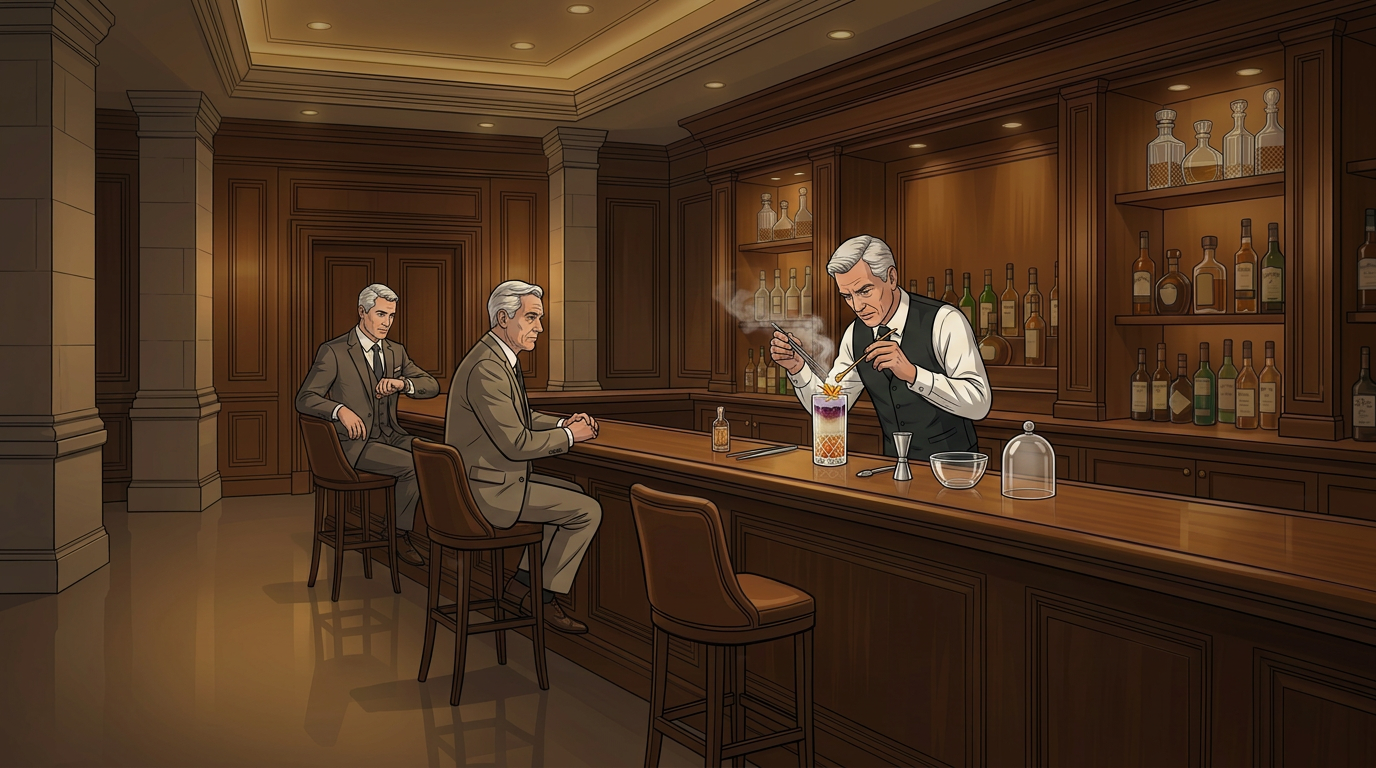
The hotel bar introduced a craft cocktail program with 14 signature cocktails, each requiring between 3 and 7 preparation steps, house-made syrups, fresh-s...
Get started