05 – Why Hotel Cafe Labor Cost Is Rarely Connected to Guest Capture Rate
The hotel coffee shop served an average of 94 transactions per day. The hotel averaged 312 occupied rooms per day across the same period, with an average g...
Get started
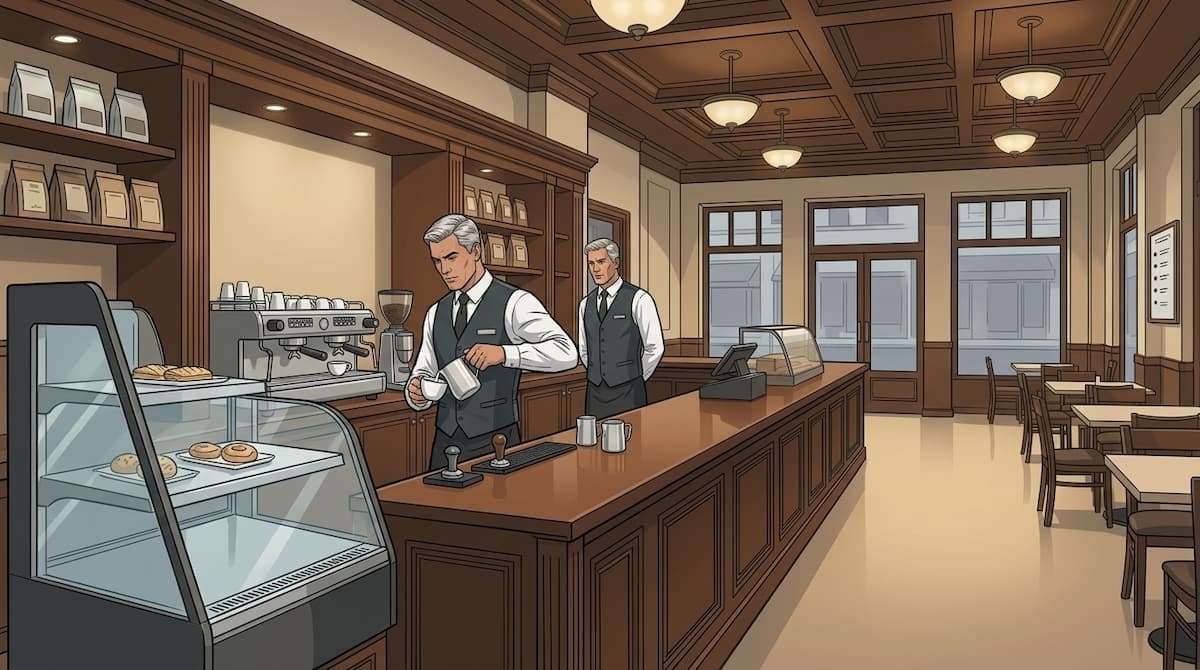
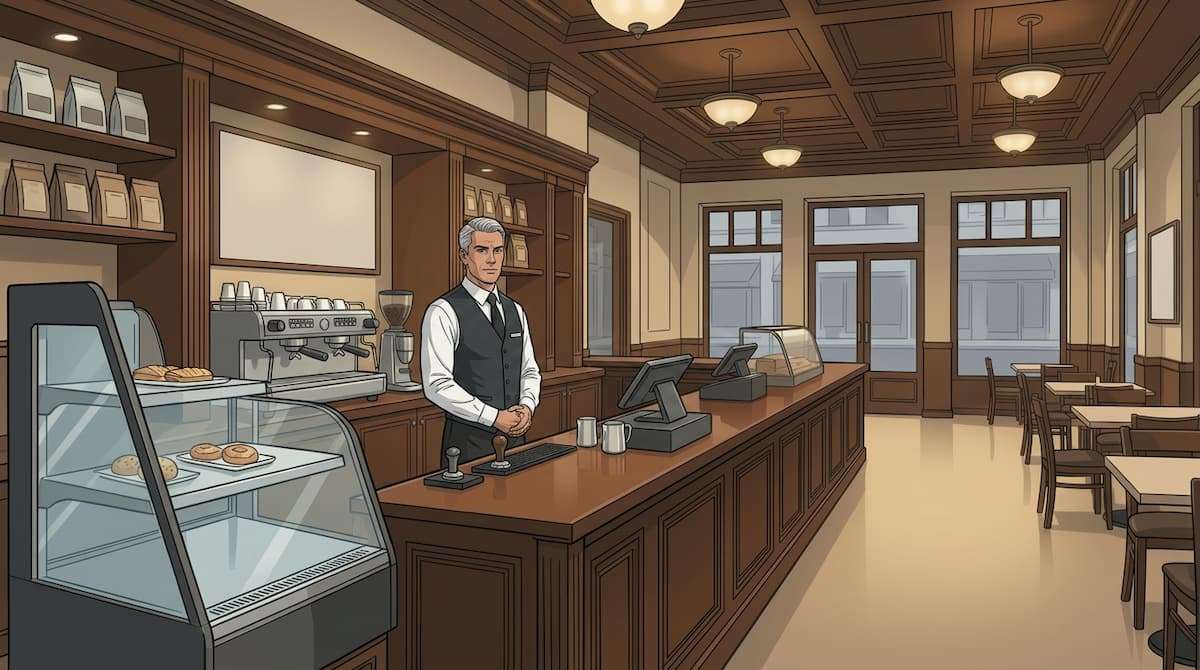
The hotel coffee shop generated $672,000 in annual revenue. It was managed by a coffee shop supervisor reporting to the F&B manager, with a lead barista carrying partial supervisory responsibilities for opening procedures, cash management, and new barista training. The coffee shop supervisor cost $58,000 annually in wages and benefits. The lead barista premium above the standard barista rate represented an additional $8,400 per year. Total supervisory cost for the outlet was $66,400 per year, representing 9.9% of annual revenue before a single cup of coffee was brewed. Full-service hotel restaurants typically carry supervisory cost at 8% to 12% of outlet revenue. The coffee shop was within range on that metric. But the restaurant has a menu, wine service, and table management complexity that the coffee shop does not. The same supervisory ratio applied to a much simpler operation produces a very different financial justification.
Hotel coffee shop supervisory cost should not be benchmarked against full-service restaurant supervisory standards. The operational complexity of a counter-service coffee outlet is fundamentally lower, and the supervisory structure should reflect that difference.
Full-service hotel restaurant supervision manages floor service, kitchen coordination, wine service, table turn management, reservation handling, and guest complaint escalation. The supervisory span of control is wide because the operation has multiple concurrent service dimensions. A hotel coffee shop supervisor manages a counter-service team preparing coffee drinks, operating a POS system, stocking a display case, and maintaining cleanliness standards. The operational complexity is real but materially lower than a restaurant.
A supervisor carrying a $58,000 annual cost to oversee a 2-to-3-person counter-service team generating $672,000 in revenue is carrying an overhead ratio that the operation’s complexity does not require. The same management outcomes in a counter-service environment can be achieved through a strong lead barista structure at a lower cost than a dedicated supervisor position, particularly when the F&B manager is accessible and capable of providing the oversight that true supervisory escalations require.
“The coffee shop had a supervisor because every outlet had a supervisor. When we asked what the supervisor was doing that a lead barista with additional responsibility couldn’t do, the answer was not compelling enough to justify the cost difference.”

We help hotels control labor costs by connecting staffing, productivity, forecasting, budgets, and department-level workforce decisions to changing property demand while protecting service quality.
Learn MoreHotel coffee shops that carry both a dedicated supervisor and a lead barista classification are paying for supervisory function twice. The lead barista handles day-to-day operational oversight, including opening, training, and cash management. The supervisor handles escalations and reporting. In a 2-to-3-person counter-service team, the genuine escalation volume that requires a dedicated supervisor above the lead structure is minimal. The dual structure represents overhead that the outlet’s revenue and complexity do not require.
Reviewing hotel coffee shop supervisory structure against the outlet’s revenue, complexity, and genuine management requirement produces a cost structure that reflects what a counter-service operation of this scale actually needs rather than what the restaurant model, applied by convention, has produced. Hotels that have made that review find that a well-compensated lead barista with defined responsibilities and direct access to the F&B manager for escalations delivers the same management outcomes as a dedicated supervisor at a materially lower cost. The supervisory saving flows directly to the outlet’s contribution margin. This is the operational complexity-to-supervisory cost calibration that hotel coffee shop outlet cost structure review delivers when the outlet is evaluated against the management requirement its format actually generates.
“We restructured to a lead barista model. The outlet’s management quality did not change. The supervisory cost reduction went directly to contribution.”
A hotel coffee shop generating $672,000 in annual revenue with $66,400 in supervisory cost is spending nearly 10 cents of every revenue dollar on oversight of a counter-service team before any other cost is counted. The outlet has a revenue ceiling that limits how much of that overhead it can carry and still contribute to hotel margin. Hotels that calibrate their coffee shop supervisory structure to the outlet’s revenue ceiling rather than to restaurant benchmarks find that the contribution margin from a format that is inherently cost-constrained improves materially without any change in the service the guests experience.
This Article Is Part of a Larger Series
Access the complete Hotel Labor Series
The hotel coffee shop served an average of 94 transactions per day. The hotel averaged 312 occupied rooms per day across the same period, with an average g...
Get started
The hotel coffee shop opened at 5:30 AM to serve early departing business travelers. It closed at 7:00 PM to serve guests returning from afternoon activiti...
Get started