02 – Why Hotel Fixed Cafe Staffing Does Not Reflect Peak and Off-Peak Demand
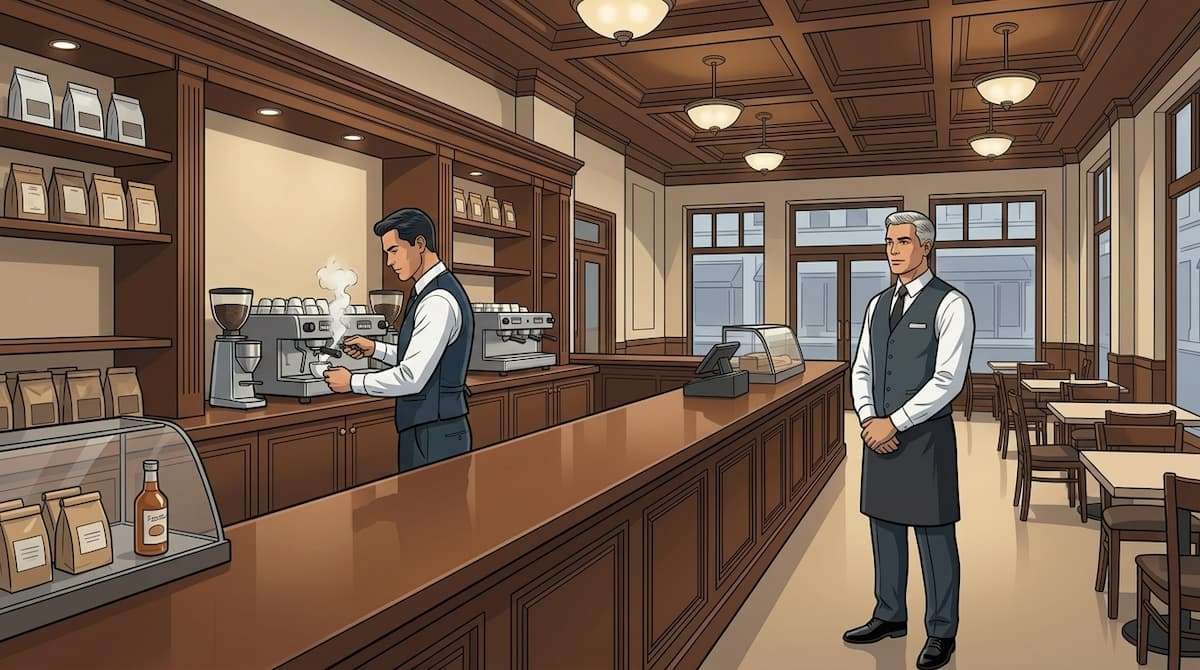
The hotel coffee shop ran 2 baristas from 6:00 AM to 2:00 PM and 1 barista from 2:00 to 6:00 PM. The morning shift had been set when the outlet opened. The...
Get started
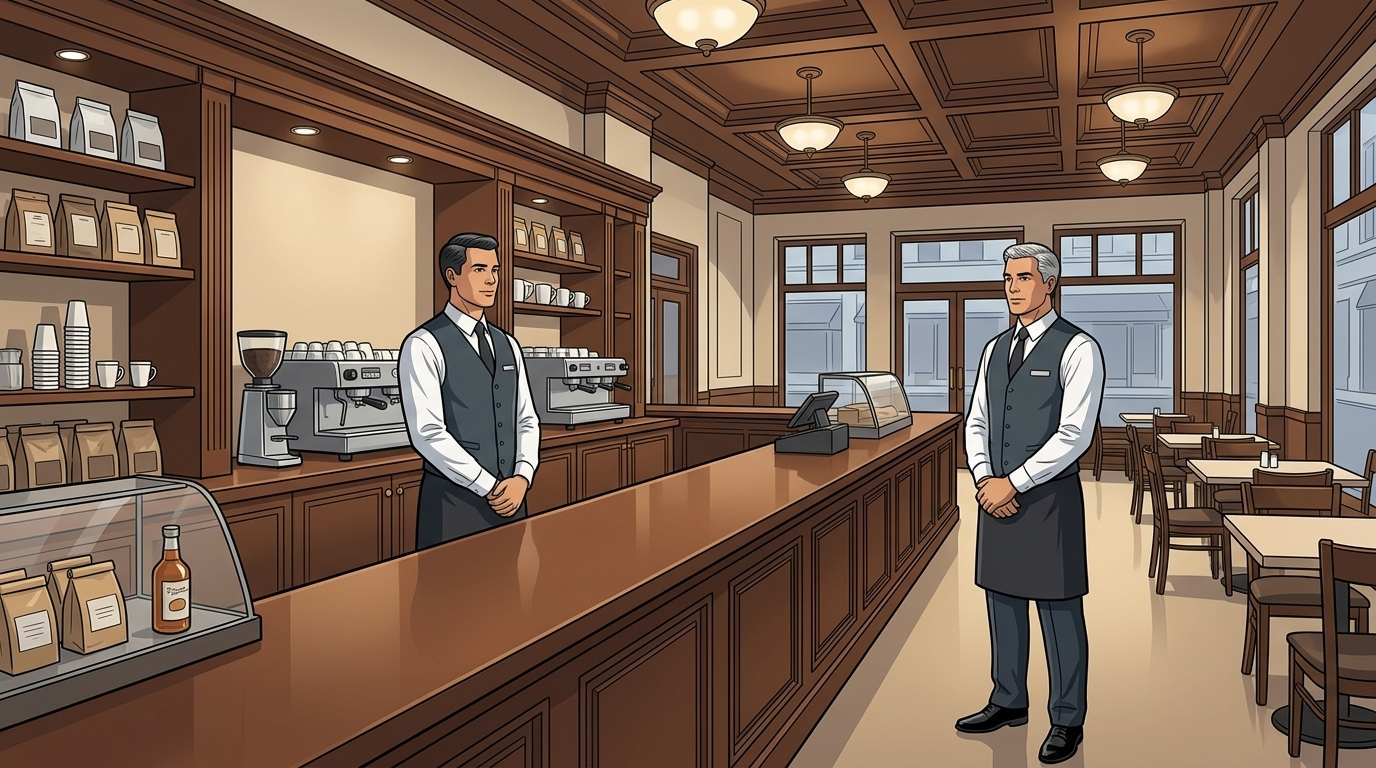
The hotel coffee shop operated from 6:00 AM to 6:00 PM and generated $1,840 in daily revenue on an average trading day. It was staffed with 2 baristas and 1 cashier across the operating hours, with a supervisor present during the morning peak from 6:00 to 10:00 AM. The daily labor cost of those positions across 12 operating hours was $612 at a blended rate of $23 per hour including benefits. Labor represented 33% of daily revenue before any cost of goods, overhead, or allocated occupancy cost was included. The F&B director reviewed the combined cafe labor line in the F&B department total and noted it within range. What the combined view obscured was that the coffee shop was generating 33 cents in labor cost for every revenue dollar before the outlet had bought a single coffee bean.
Hotel coffee shop labor cost is structurally high relative to the revenue the format can generate. The daypart revenue ceiling of a small-format coffee outlet creates a financial condition that full-service dining comparisons consistently overstate as acceptable.
Hotel coffee shop outlets operate with a fundamentally lower revenue ceiling than any other F&B format in the building. A full-service restaurant can grow average check through menu design, wine service, and table turn management. A bar can grow beverage revenue through programming and cocktail positioning. A coffee shop is constrained by transaction size, dwell time, and the physical throughput of a counter-service format. Average transaction values in hotel coffee shops typically run between $6 and $14. The revenue per labor hour is structurally lower than any other hotel F&B outlet as a result.
That lower revenue ceiling does not make the coffee shop financially indefensible. It means the labor model must be calibrated to what the format can actually generate rather than to the labor standards the hotel applies to higher-revenue outlets. A coffee shop staffed at a level appropriate for a hotel restaurant will produce a labor-to-revenue ratio that looks alarming when isolated and acceptable when averaged into the department total. The averaging is the financial mechanism that keeps the condition invisible.
“The coffee shop labor percentage looked fine in the F&B total. When we pulled it out and looked at it against coffee shop revenue alone, we understood immediately why the outlet had never contributed meaningfully to department margin.”

We help hotels control labor costs by connecting staffing, productivity, forecasting, budgets, and department-level workforce decisions to changing property demand while protecting service quality.
Learn MoreHotel coffee shop revenue concentrates in a morning window that typically runs from 6:30 to 10:00 AM for business transient hotels and 7:00 to 10:30 AM for leisure and resort hotels. The afternoon trading period generates a fraction of the morning volume. A coffee shop that generates $1,480 of its $1,840 daily revenue between 6:30 and 10:00 AM is generating 80% of its revenue in 3.5 operating hours. The remaining 8.5 operating hours generate 20% of the revenue. The staffing model that covers all 12 hours at a similar labor rate is applying peak-period economics to a post-peak trading period that does not justify them.
Connecting hotel coffee shop labor cost to the revenue each operating window actually generates requires building a daypart P&L that splits the morning peak from the afternoon period and places each hour’s labor cost against that hour’s transaction volume. Hotels that have built that view consistently find that the afternoon coffee shop operation runs at a labor-to-revenue ratio that the morning peak’s efficiency is entirely masking in the daily total. The decision about whether to maintain afternoon coverage, reduce it, or close the outlet for part of the day requires that daypart view. Without it, the outlet’s financial condition is invisible in both the F&B total and the daily coffee shop aggregate. This is the hourly revenue-to-labor view that hotel coffee shop labor cost by operating window produces when the outlet is managed as a financial unit rather than as a service amenity.
“We built the daypart split for the first time and found that morning was generating 6 times the revenue per labor hour that the afternoon was. We had been managing both periods with the same financial lens.”
A hotel coffee shop labor model that does not differentiate between a morning peak generating $420 per hour and an afternoon period generating $68 per hour is not a labor model. It is a coverage convention applied uniformly to conditions that are financially very different. Hotels that build a tiered coffee shop staffing structure, heavier coverage during the morning peak and reduced or single-staff coverage during the afternoon, find that the outlet’s labor-to-revenue ratio improves materially without any change in the service standard guests experience during the periods when demand actually exists.
This Article Is Part of a Larger Series
Access the complete Hotel Labor Series
The hotel coffee shop ran 2 baristas from 6:00 AM to 2:00 PM and 1 barista from 2:00 to 6:00 PM. The morning shift had been set when the outlet opened. The...
Get started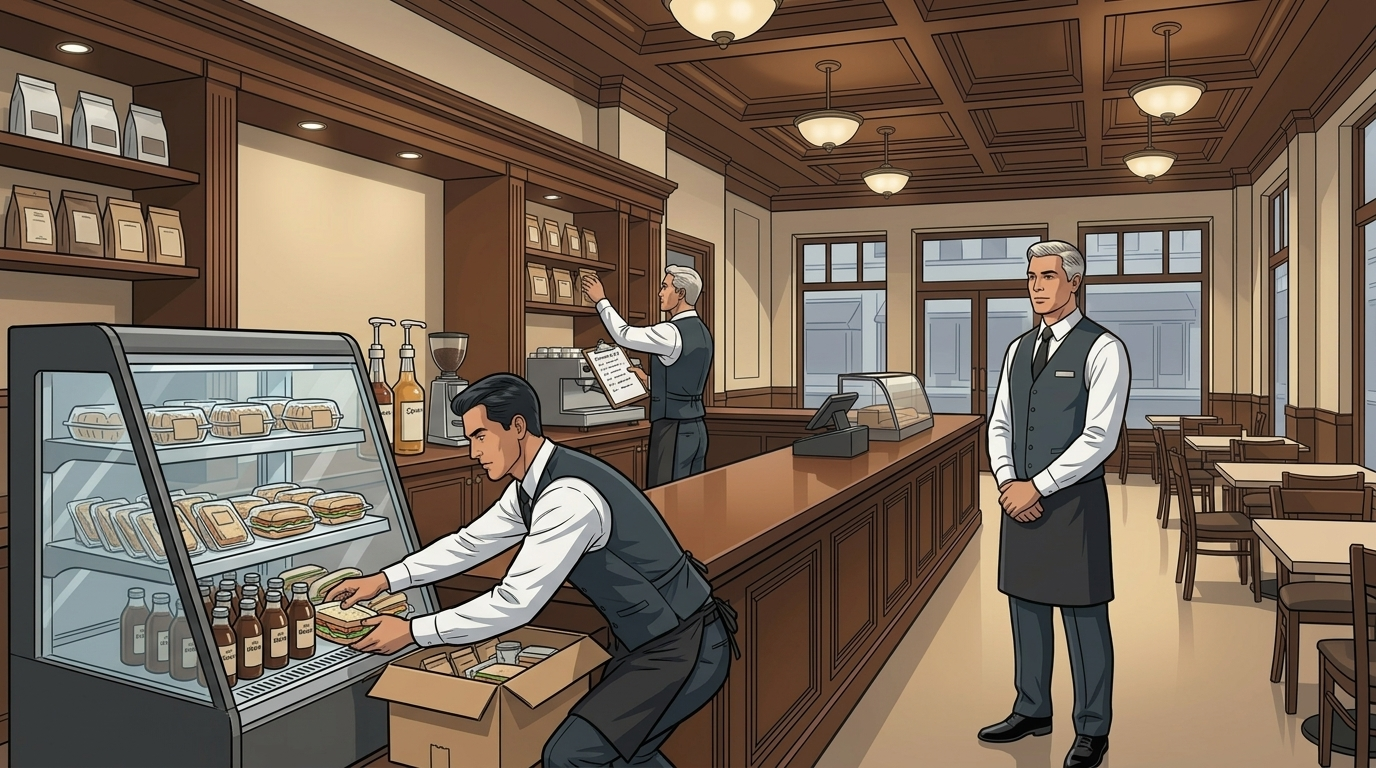
The hotel coffee shop added a grab-and-go display case offering pre-packaged sandwiches, salads, fruit cups, and snacks. The addition was presented as a re...
Get started