04 – When Hotel Bar Supervisory Cost Grows Beyond What Volume Supports
The hotel bar was managed by a bar manager, an assistant bar manager, and a lead bartender who performed partial supervisory functions across the evening s...
Get started
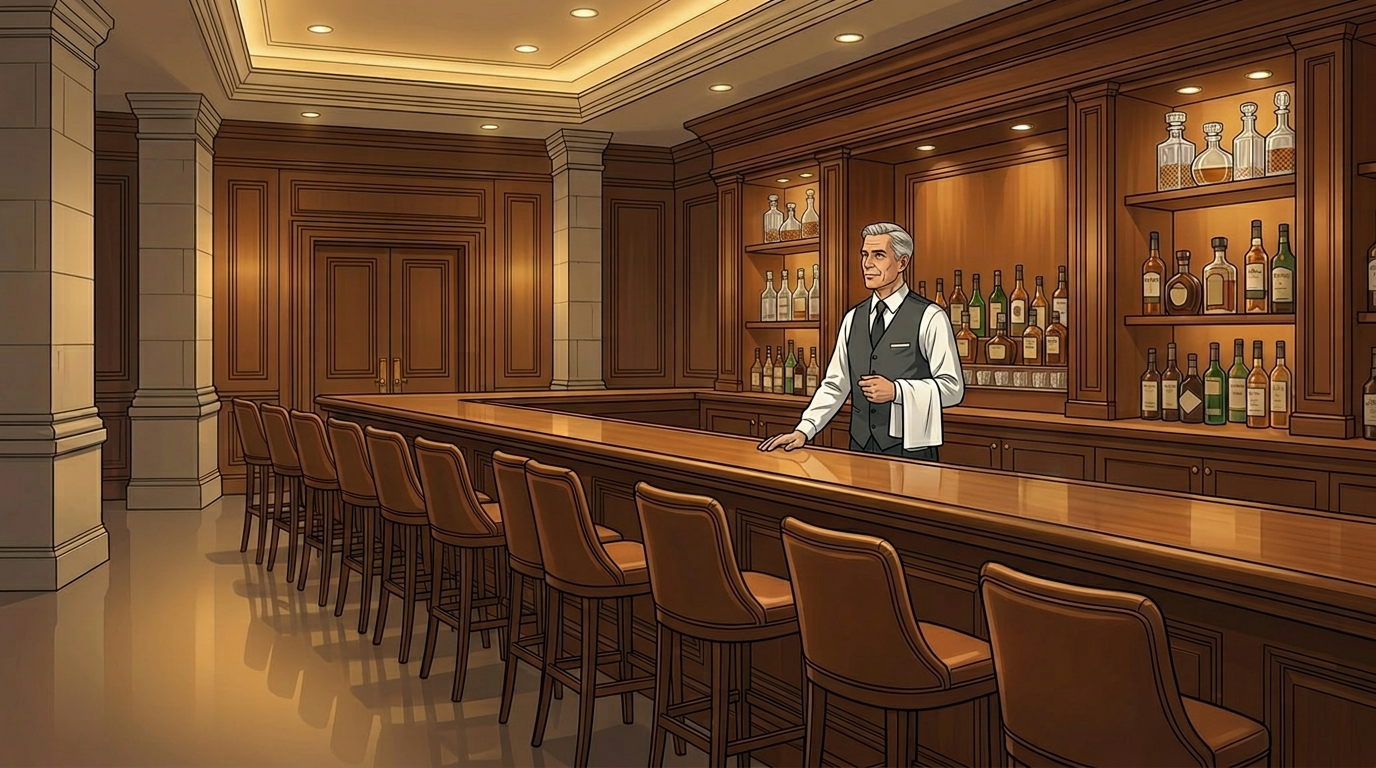
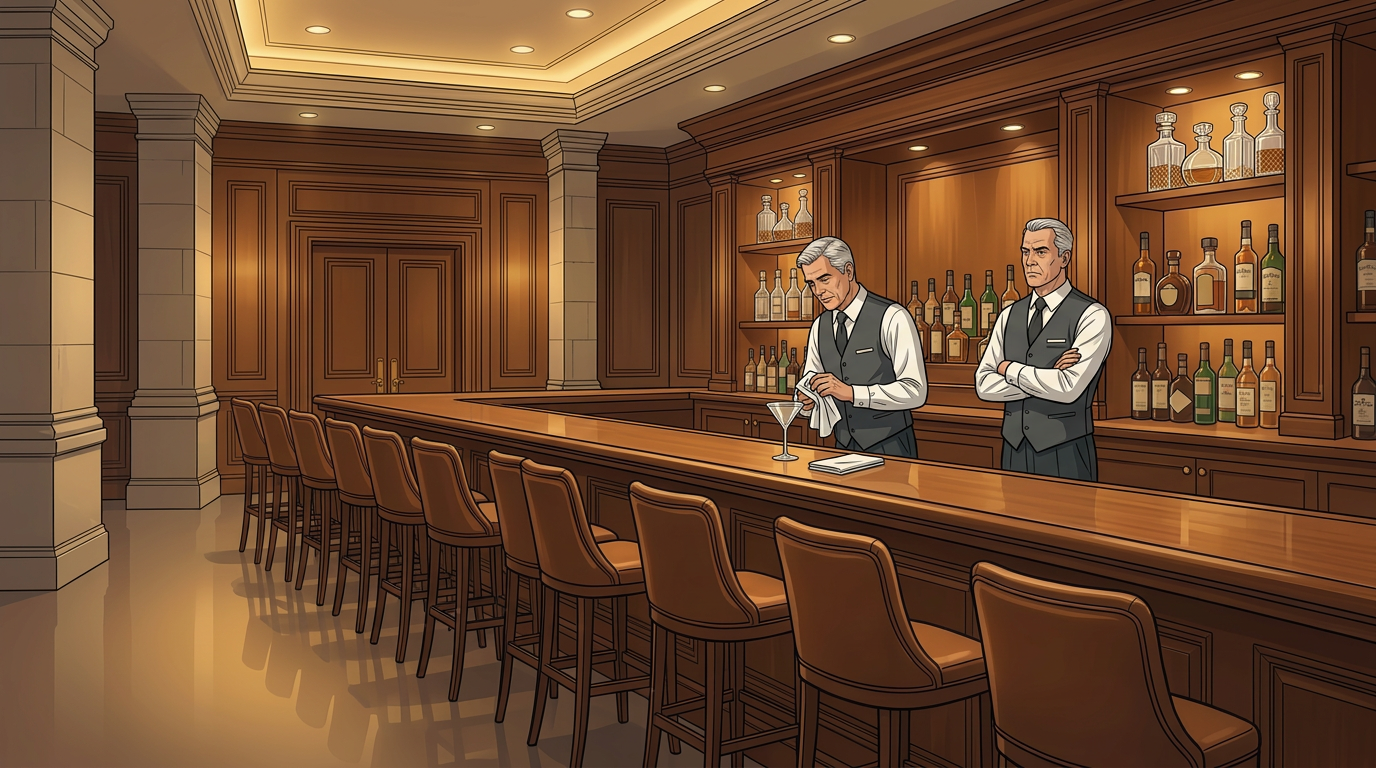
The hotel bar ran a steady happy hour from 5:00 to 7:30 PM. The bar manager staffed 2 bartenders for the shift running from 4:00 PM to midnight. Between 7:30 and 9:30 PM, bar traffic dropped to 4 to 6 covers per hour. The 2 bartenders were present, available, and paid for those 2 hours. From 9:30 PM onward, a late-evening wave of hotel guests arriving from a nearby venue pushed covers back to 28 to 35 per hour. The shift structure had been built for the happy hour and the late wave. The 2-hour gap between them had not been accounted for as a cost.
Hotel bar demand concentrates in waves separated by gaps. The bartender labor committed to cover the waves is also present during the gaps, generating paid hours against minimal service output that no standard bar labor report tracks.
Hotel bar service waves are predictable. Happy hour generates a peak. A lull follows as guests move to dinner. A late evening wave begins as guests return from restaurants, events, or entertainment. The wave timing varies by hotel type, location, and programming. The gap between waves is as predictable as the waves themselves. A bar manager who has run the same evening shift for 6 months knows that 7:30 to 9:30 PM is quiet every night. That knowledge does not change the staffing decision because the staffing was built for the waves and the gap was not considered as a financial condition.
2 bartenders generating 5 covers per hour during a 2-hour gap are absorbing 4 bartender hours against a demand level that produces minimal beverage revenue. At a fully loaded bartender rate of $28 per hour including benefits, those 4 hours cost $112. Across a full month of daily bar operations, the gap-period labor accumulates into more than $3,000 of paid time against service output that a 1-bartender coverage model could have managed without service deterioration for guests present during the gap.
“We knew the 7:30 to 9:30 window was always quiet. We just never connected that knowledge to the staffing decision. The 2 bartenders were there because the shift ran from 4 to midnight and we needed both for happy hour and the late wave.”

We help hotels control labor costs by connecting staffing, productivity, forecasting, budgets, and department-level workforce decisions to changing property demand while protecting service quality.
Learn MoreHotel bar shift structures are built to cover the service peaks within a shift. A bartender confirmed for a shift from 4:00 PM to midnight is available for the happy hour peak, the gap, and the late evening wave. The shift structure does not differentiate between productive and unproductive periods. The bartender is paid the same rate during happy hour at 35 covers per hour as during the gap at 5 covers per hour. The financial efficiency of the labor investment varies dramatically across the shift. The shift structure treats every hour as equivalent.
Identifying and costing the gap periods within a hotel bar shift requires tracking covers per hour throughout the operating day and mapping the labor committed during each hour against the covers that hour generates. That mapping produces a financial picture of the bar’s productivity by hour that the daily or weekly beverage revenue total cannot provide. Hotels that have built that picture find that the gap periods between service waves represent a consistent and recoverable cost that shift restructuring, bartender staggering, or role-switching during the gap can address. This is the within-shift financial visibility that hotel bar labor productivity by service wave delivers when the bar’s cost structure is examined at the hour level rather than at the shift total.
“When we mapped covers per hour against bartender cost per hour across the full shift, the gap period stood out immediately. The decision about how to staff that window differently was straightforward once we could see the numbers.”
A hotel bar shift structure that pays for 2 bartenders during a predictable 2-hour gap between service waves is not managing its labor cost within the shift. It is managing the peaks within the shift and absorbing the gap as a cost that convention has made invisible. Hotels that restructure their bar shifts to match staffing levels to the actual service demand across the operating day, including the gap periods, find that the total bartender cost for the same shift reduces without any service impact on the guests present during the waves.
This Article Is Part of a Larger Series
Access the complete Hotel Labor Series
The hotel bar was managed by a bar manager, an assistant bar manager, and a lead bartender who performed partial supervisory functions across the evening s...
Get started
The hotel bar remained open until 1:00 AM 7 days a week. The decision had been made at opening based on the hotel’s positioning as a full-service urb...
Get started