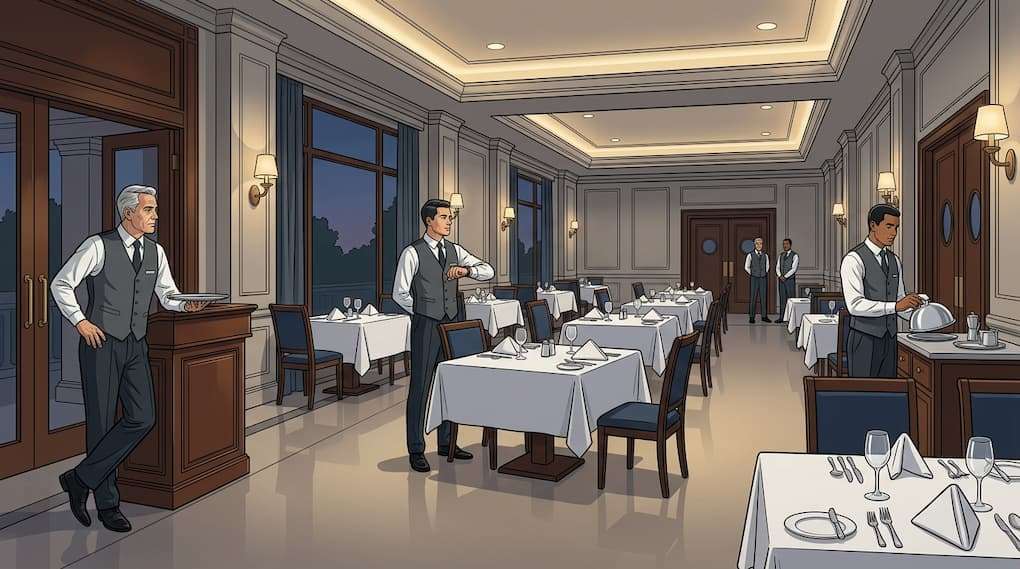
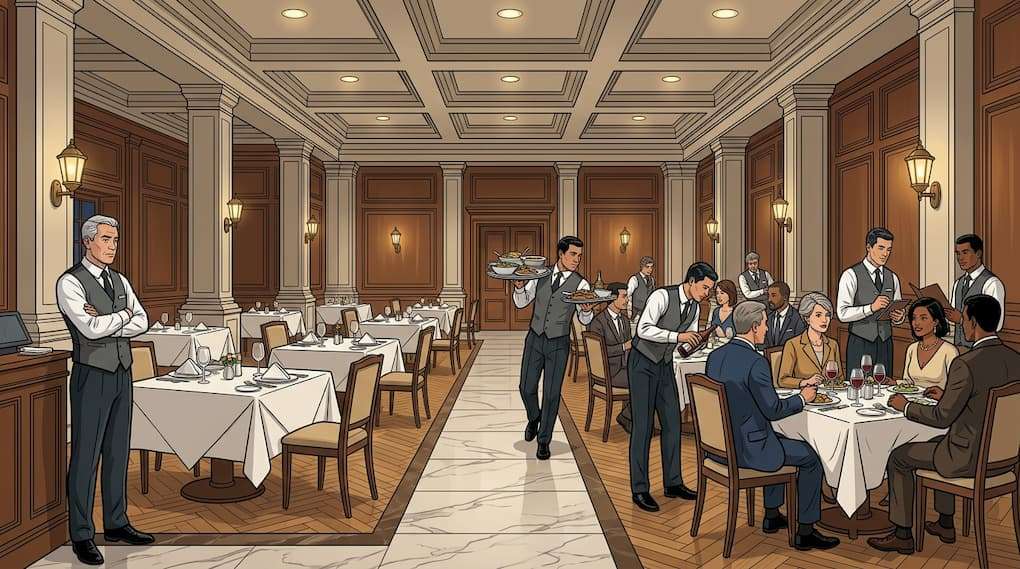
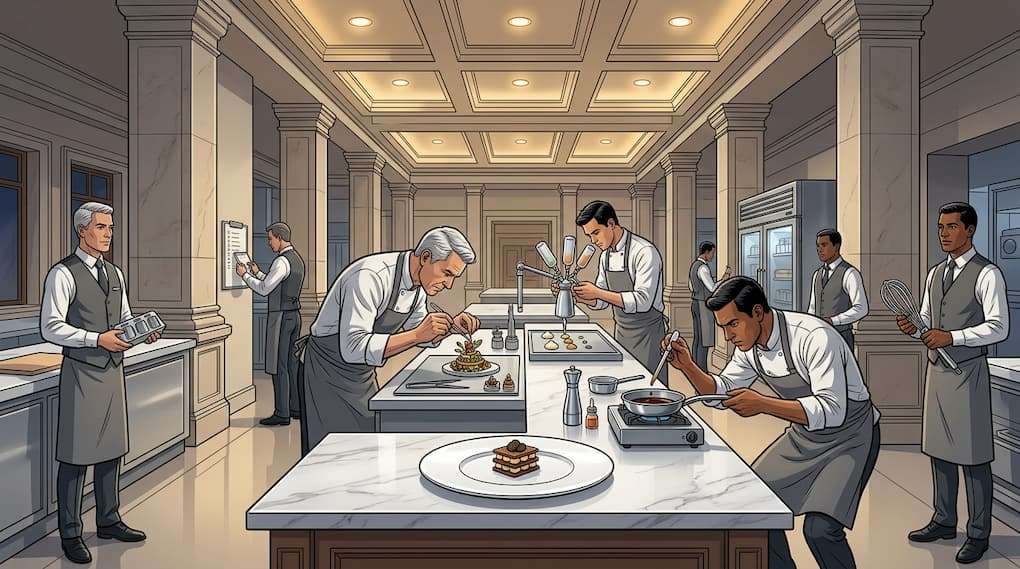
The hotel restaurant ran split shifts for 6 servers. Each worked breakfast from 7:00 to 11:00, left the hotel, and returned for dinner from 5:30 to 10:00. The arrangement covered both service periods without committing to full-day labor. The F&B director considered it efficient. What the arrangement produced financially was a paid gap between shifts that the hotel did not compensate directly but that the labor structure absorbed through premium availability rates, split shift differential pay required under the applicable wage agreement, and the scheduling inflexibility that keeping 6 employees on split commitments created when dinner demand fluctuated.
Hotel restaurant split shift arrangements appear financially efficient when measured against the hours paid. The full cost of the arrangement includes components that the hours-paid calculation never captures.
The Gap Cost That Split Shifts Generate
A split shift creates a non-productive gap between service periods. For the employee, that gap is unpaid time during which they are neither working nor free to take other employment due to the commitment to return for the second period. Many jurisdictions require premium pay for split shifts precisely because the gap creates an obligation that the employee bears without compensation. That premium, where it applies, is a direct labor cost of the split structure that the scheduling decision created.
For the hotel, the gap creates a different cost. A server committed to a split shift is not available for a continuous shift assignment elsewhere in the hotel or the F&B operation during the gap period. If dinner demand on a given evening does not materialize at the level the schedule anticipated, the hotel cannot easily release split shift employees who have already returned for the second period and incurred the commitment cost of the journey back. The split structure creates a coverage commitment that is harder to adjust than a single-period staffing model.
“The split shift covered breakfast and dinner without paying for the middle of the day. What we hadn’t calculated was what the split differential, the inflexibility, and the retention cost of running people on those schedules was actually adding up to.”
When Demand Does Not Justify the Split Structure
Hotel restaurant split shifts are financially justified when the demand gap between covered service periods is genuine and persistent. A hotel restaurant where breakfast demand and dinner demand are both strong, where the midday gap in covers is predictable and consistent, and where the same server skill set serves both periods has a legitimate operational case for split shifts. A hotel restaurant where lunch demand has grown to the point where the midday gap has shrunk, or where dinner demand is inconsistent enough that the second-period return frequently results in early dismissal, has a split structure that the demand pattern no longer supports.
Reviewing hotel restaurant split shift arrangements against the demand pattern they were designed to serve requires tracking both the service period cover volumes that justify the structure and the actual utilization of the second period when servers return. Hotels that find that second-period utilization is inconsistent, that split differential costs are material, or that the retention cost of maintaining employees on split schedules is producing higher turnover than continuous shift alternatives, have the financial basis for restructuring the scheduling model. That restructuring is a financial decision that requires the demand analysis and cost comparison that hotel restaurant labor cost and scheduling structure review produces when split shift arrangements are examined against the demand and cost data rather than against the assumption that they are efficient.
“When we calculated the full cost of the split structure including differential pay, turnover premium, and the scheduling rigidity it created, the financial case for moving to a different coverage model became straightforward.”
What the Split Shift Structure Is Telling the Labor Budget
A hotel restaurant running split shifts on a structure that was designed for a demand pattern that has since changed is absorbing a scheduling cost that the current demand does not justify. The shift structure itself is a labor cost driver that operates independently of how many covers each period generates. Hotels that review their split shift arrangements against current demand patterns, differential pay obligations, and the retention cost of maintaining employees on those schedules make different decisions about how to cover the service periods their restaurant operates than hotels that maintain the split structure because it was how the restaurant was originally staffed.
This Article Is Part of a Larger Series
Access the complete Hotel Labor Series