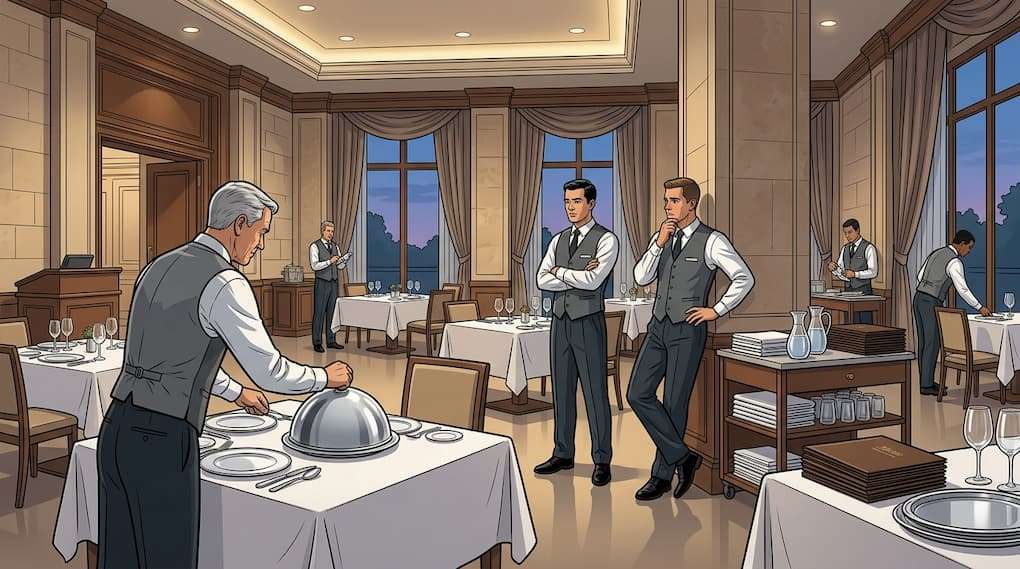
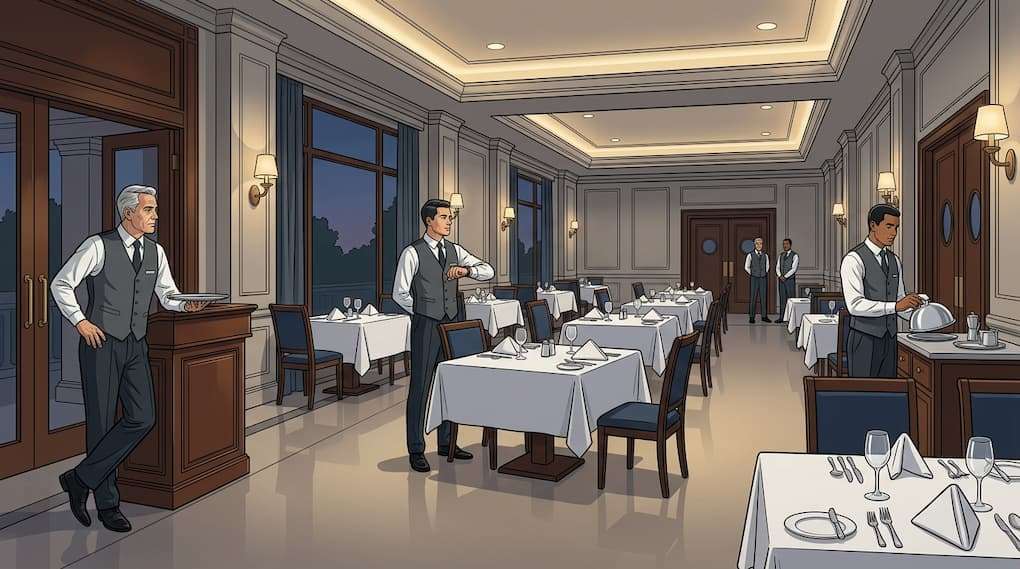
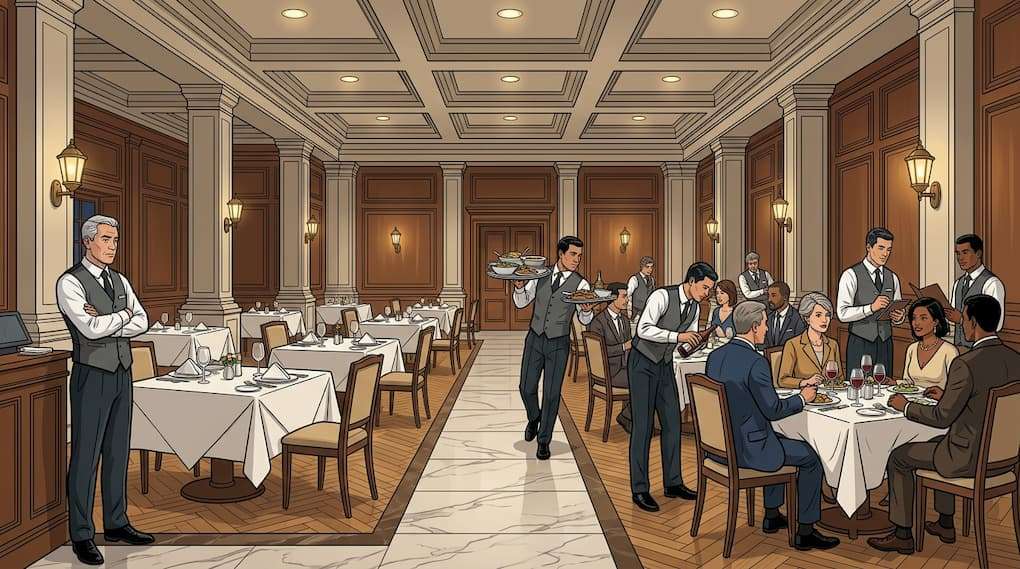
The hotel restaurant ran 3 service periods daily. Breakfast from 6:30 to 10:30. Lunch from 11:30 to 2:30. Dinner from 6:00 to 10:00. The F&B director reviewed covers per labor hour as a weekly aggregate across all 3 periods combined. The number sat within an acceptable range. What the weekly aggregate concealed was that covers per labor hour at dinner ran at 2.4 times the lunch figure and 3.1 times the breakfast figure. The restaurant was running 3 labor structures against 3 demand levels, and 2 of them were generating covers per labor hour that the third period’s efficiency was papering over in the aggregate.
Hotel restaurant labor efficiency measured across combined service periods produces a composite figure that masks the specific periods where labor cost is generating inadequate cover throughput.
Each Service Period Is a Separate Financial Condition
Breakfast, lunch, and dinner in a hotel restaurant are not variations of the same service. They are distinct operations with different cover volumes, different menu complexity, different staffing requirements, and different revenue per cover. A server managing 3-course dinner covers at $85 average check is operating in a fundamentally different labor environment than a server managing breakfast covers at $22 average check. The financial efficiency of the labor deployed in each period must be measured against what that period generates, not against the combined daily total.
When consecutive service periods are measured in aggregate, the high-efficiency period, typically dinner in a full-service hotel restaurant, subsidizes the financial picture of the low-efficiency periods. Breakfast may be running covers per labor hour that would be immediately flagged if reviewed in isolation. Because it is averaged into the dinner efficiency in the daily or weekly total, the signal disappears.
“Dinner made the weekly number look fine. Breakfast and lunch were running at efficiencies that would have been impossible to ignore if we’d been looking at them separately. We weren’t.”
The Consecutive Period Problem Compounds Over Time
Hotel restaurant staffing for consecutive service periods creates a specific financial condition. Staff scheduled across multiple periods, a server working breakfast through lunch, a kitchen employee working prep through dinner, carry labor hours across the boundary between a low-efficiency period and a high-efficiency period. The scheduling decision that creates the cross-period labor commitment is made on staffing convenience and continuity. The financial consequence of that decision, measured in covers per labor hour by period, is never evaluated.
A server working a 6-hour breakfast-through-lunch shift generates covers per labor hour across the combined period that blends 2 very different efficiency profiles. The breakfast hours are generating 4 covers per labor hour. The lunch hours are generating 9 covers per labor hour. The combined shift generates 6.5 covers per labor hour. That number looks acceptable. The breakfast efficiency does not, and it is the breakfast efficiency that represents the recoverable cost.
Tracking covers per labor hour by service period rather than by day produces the financial signal that the daily aggregate obscures. Hotels that have built that tracking find that the breakfast and lunch efficiency gaps in hotel restaurant operations are consistently larger than the dinner efficiency could offset if management were actually seeing them. This is the period-level financial analysis that hotel F&B labor efficiency by service period makes visible when restaurant labor is measured against the specific demand window it serves rather than against the day’s combined output.
“Once we tracked covers per labor hour by period, the breakfast operation became a distinct financial conversation rather than something that disappeared into the daily total. The staffing response was immediate and specific.”
What the Period-Level Efficiency Gap Is Telling the Schedule
A hotel restaurant where covers per labor hour at breakfast is running at less than 40% of the dinner rate is not running an efficient breakfast operation. It is running an operation where the labor committed to the breakfast period is not calibrated to the demand the breakfast period generates. That calibration requires knowing the period-level efficiency figure and using it as a scheduling input. Hotels that make that connection find that the breakfast and lunch labor structures their cover volume actually justifies look meaningfully different from the structures the current schedule produces.
This Article Is Part of a Larger Series
Access the complete Hotel Labor Series