
07 – How Workforce Structure Influences Revenue Reality
A regional leader reviewed performance with confidence. Revenue had grown steadily across the past year. New business volumes were strong. Demand indicator...
Get started
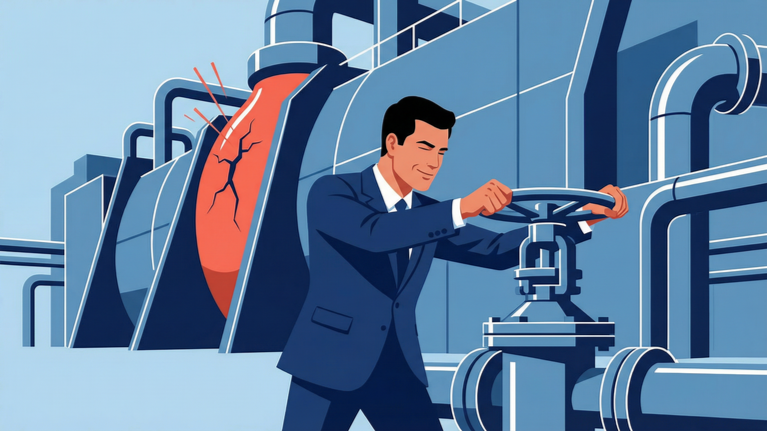
The cost meeting concluded with a sense of progress.
Department leaders presented reductions. Travel budgets were tightened. Hiring approvals slowed. Overtime required additional authorization. Finance summarized the outcome as disciplined cost management. Variance against plan narrowed. Forecasts were updated to reflect improved control.
On paper, the organization had acted decisively.
Inside operations, very little about the way work was performed had changed.
The same volume moved through the system. The same coordination challenges existed. The same dependencies between teams continued to shape how quickly work could be completed. Managers adjusted schedules, redistributed responsibilities, and absorbed shortfalls quietly to maintain delivery expectations.
The cost line appeared to move. The operating reality did not.
“We reported savings, but the workload did not disappear. It simply moved somewhere else.”
People-intensive environments rarely respond to cost actions in a linear way. When spending is constrained without altering how work flows, the organization compensates through behavior rather than design.
Supervisors stretch teams to maintain output. Tasks are deferred, then compressed into later periods. Experienced staff absorb complexity that additional hires would have handled. Temporary efficiencies emerge, but they rely on human adaptation rather than operational redesign.
Financial statements recognize the immediate reduction. They do not capture the accumulating strain required to sustain it.
Over time, this substitution effect erodes predictability. Costs return in different forms such as turnover, rework, slower cycle times, or the need for specialized intervention to stabilize delivery.
To preserve the appearance of discipline, organizations add layers of review, approval, and monitoring. Each mechanism is intended to prevent spending from expanding again. Collectively, they create additional work that must be performed alongside core responsibilities.
Administrative activity grows. Decision cycles lengthen. Managers devote increasing time to validating expenditures rather than shaping how labor is deployed. The enterprise begins managing signals of cost instead of the drivers that produce it.
At this point, conversations often turn toward examining labor cost optimization as a way to understand how workforce structure, not individual spending decisions, determines whether cost behavior can actually change.
“We built controls to manage cost, but never changed the conditions that made the cost necessary.”
Short-term reductions can create confidence that discipline alone will reshape economics. Yet without altering capacity alignment, role design, or workflow stability, the enterprise remains exposed to the same forces that generated the original expense.
As operational pressure builds, informal accommodations reappear. Exceptions are granted. Additional support is introduced quietly. The organization restores capability before it consciously restores spending.
Financial data then shows cost returning, often interpreted as a lapse in adherence rather than evidence that the underlying structure never shifted.
In people-intensive systems, cost reflects how work is organized, sequenced, and supported. Governance can restrain activity temporarily, but it cannot permanently suppress requirements embedded in the operating environment.
When leadership treats cost as something to monitor rather than something produced by workforce configuration, control becomes cyclical. Each round of reduction is followed by gradual re-expansion, reinforcing the belief that discipline must simply be applied more rigorously.
The pattern continues until the organization recognizes that what appears to be financial fluctuation is actually structural persistence.
Cost discussions often begin with numbers because numbers are visible. Sustainable change begins elsewhere, in how labor is arranged to deliver value consistently without requiring continuous accommodation.
Organizations that address only the financial expression of cost find themselves repeating the same interventions. Those that examine the mechanics of work begin to see cost behave differently, not because controls intensified, but because the enterprise altered what it was asking its workforce to sustain.
The distinction is rarely visible in the first reporting cycle. It becomes unmistakable over time.
This Article Is Part of a Larger Series
Access the complete Workforce Economics collection.

We work with leadership teams to connect resource choices, operating commitments, and the decision rights that determine whether a budget holds in practice.
Learn More
A regional leader reviewed performance with confidence. Revenue had grown steadily across the past year. New business volumes were strong. Demand indicator...
Get started
The new position was created to bring focus. A function had grown complex enough that leadership believed a dedicated role would improve oversight. The add...
Get started