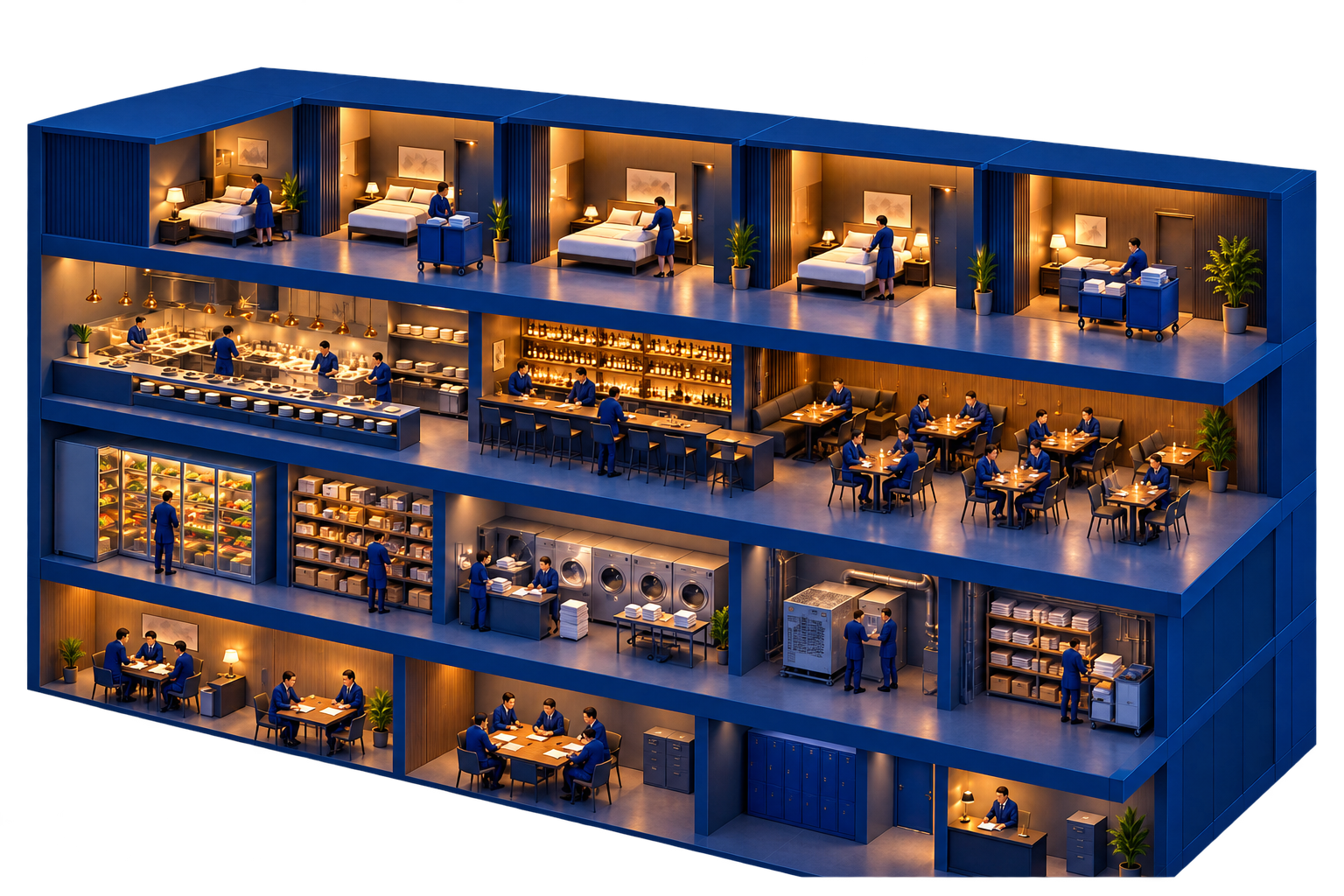
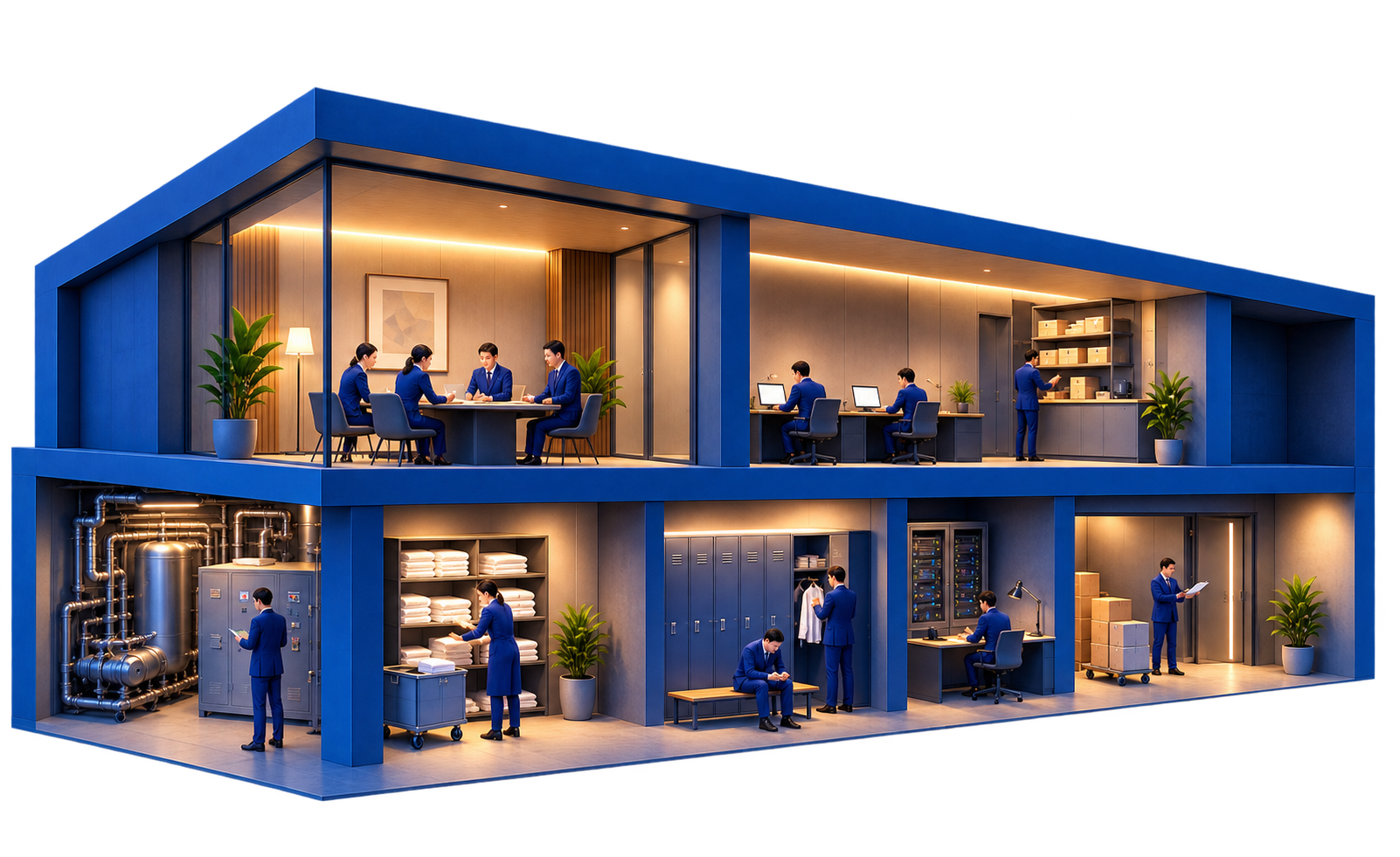
Hotel GOP improvement reflects how revenue moves through departmental costs, operating expenses, and the property’s cost structure before reaching gross operating profit. These explainers isolate the financial relationships behind that conversion, from operational efficiency and departmental profitability to rooms economics and undistributed expenses.
Examine hotel operational efficiency through the financial movement from revenue to GOP, including departmental costs, labor, distribution, direct operating expenses, and undistributed expenses that determine how much incremental revenue survives the property’s operating structure.
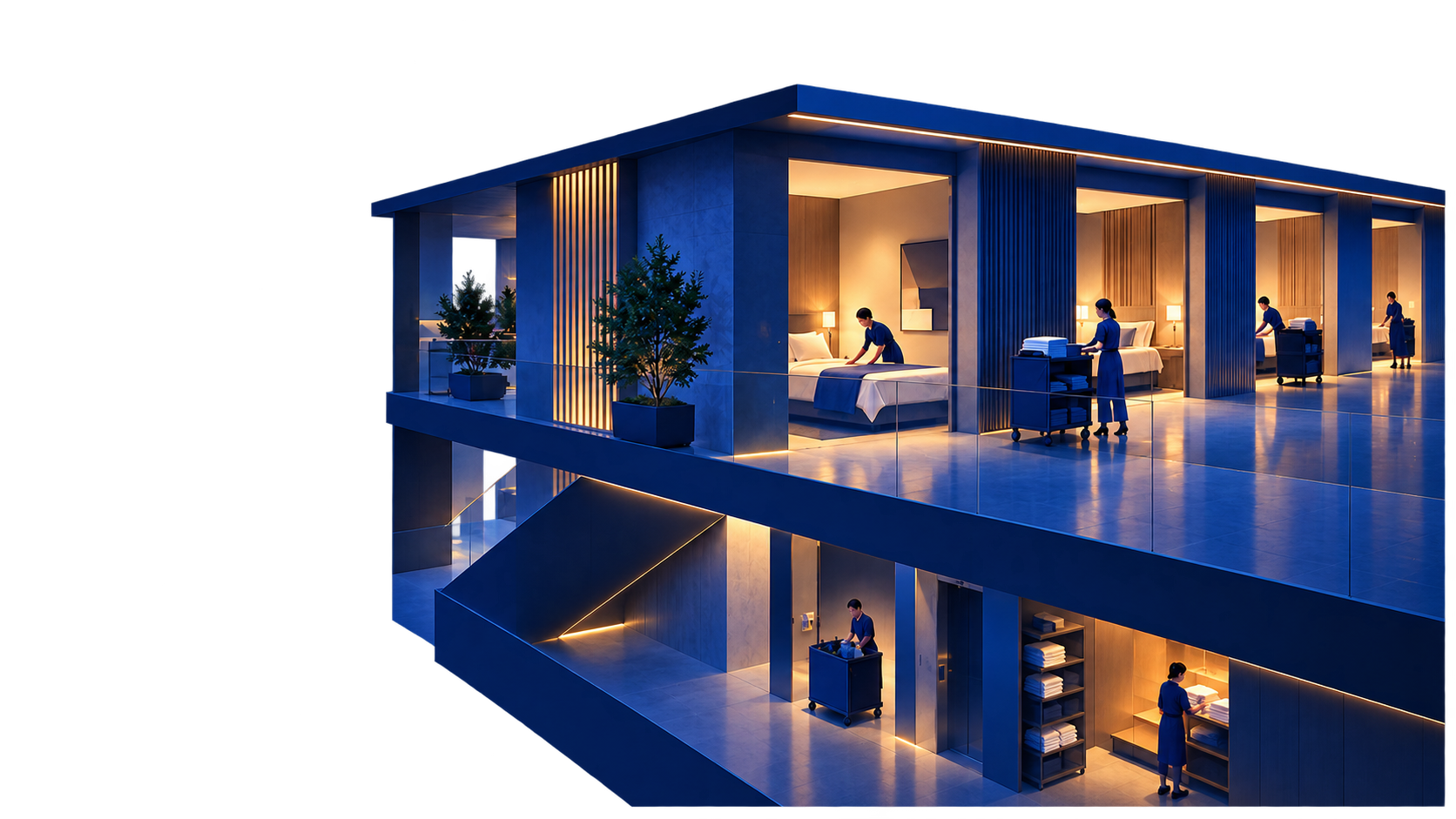
Examine how rooms revenue converts into departmental profit after distribution, payroll, housekeeping, linen, supplies, guest-service costs, and other direct expenses, revealing how Rooms economics contribute to overall hotel GOP performance.
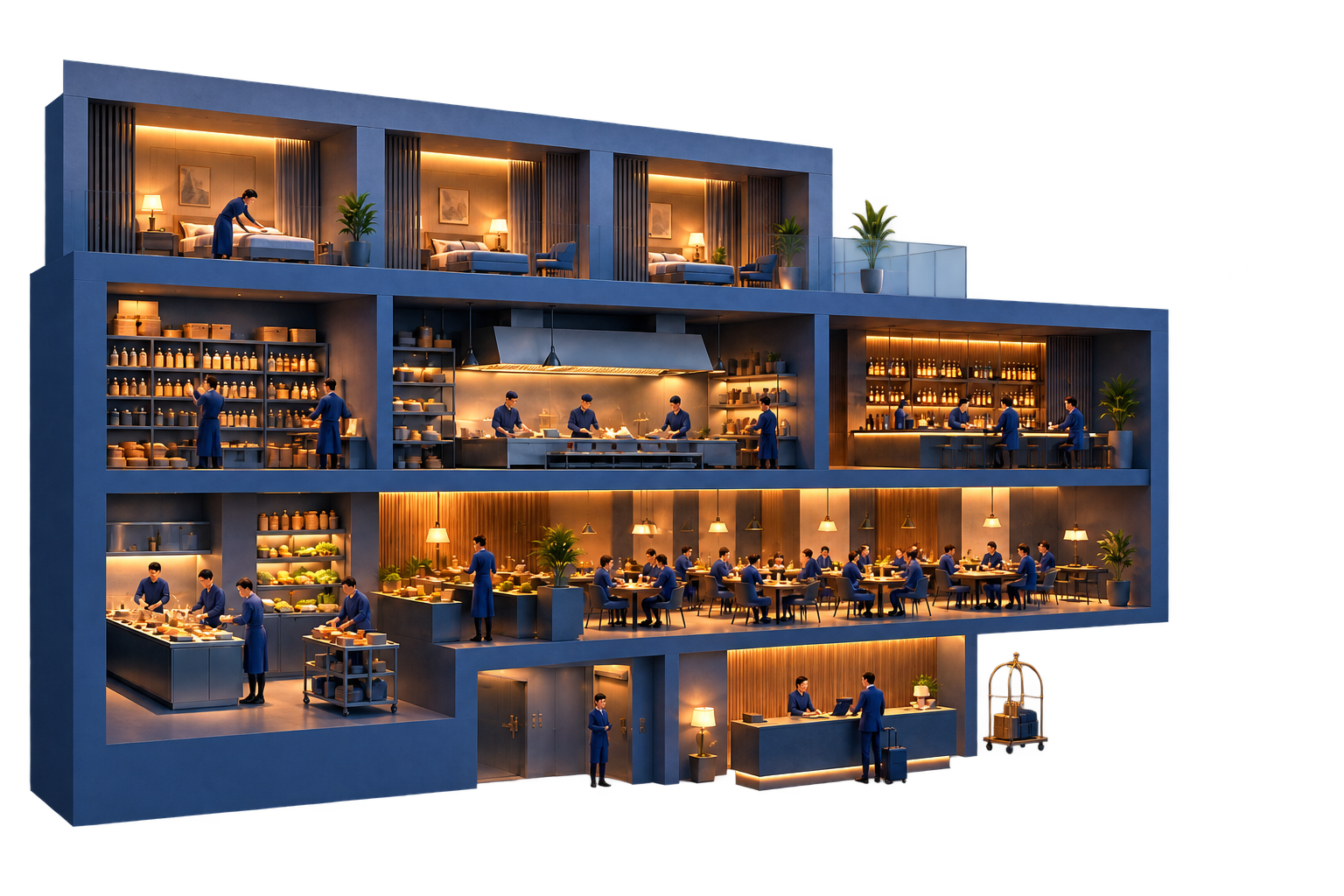
Examine how Rooms, Food and Beverage, and other operated departments convert revenue into departmental profit after direct labor, cost of sales, acquisition, and operating expenses, revealing where contribution is generated before property-level expenses are absorbed into hotel GOP.
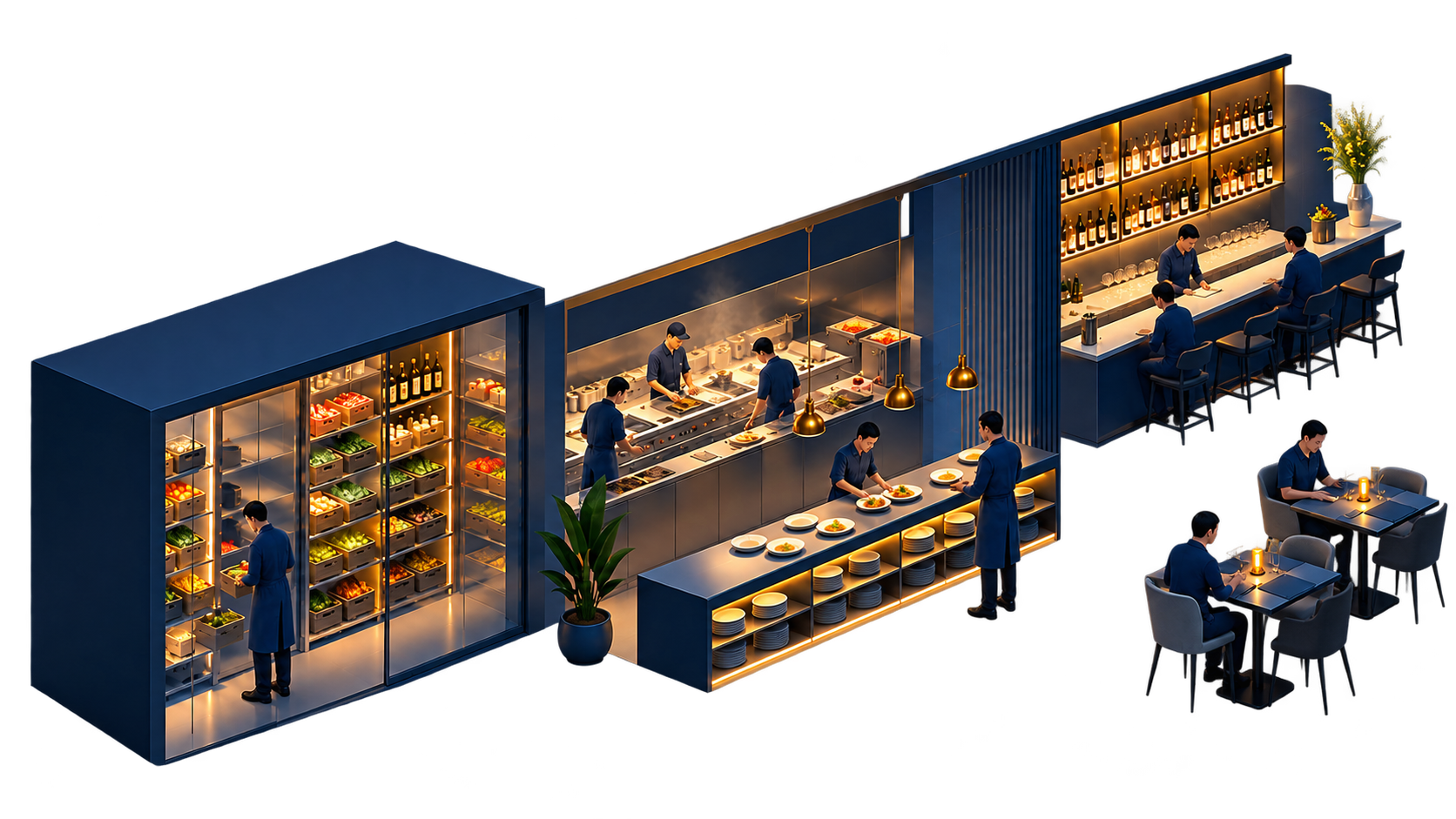
Examine how food and beverage purchasing, product mix, pricing, waste, and consumption shape hotel F&B cost of sales, departmental margins, and the contribution remaining before labor, other operating expenses, and property-level costs reach GOP.
Trace how hotel revenue moves through departmental costs, undistributed operating expenses, management fees, and ownership costs, showing where each layer reduces contribution between operating revenue, departmental profit, GOP, and EBITDA.
Trace the hotel-wide expenses that sit outside operated departments, including administrative and general, sales and marketing, IT, property operations, maintenance, energy, water, and waste, and see how these costs absorb departmental profit before the property reaches GOP.